
Auto-generated post_excerpt
Découvrez le Casino En Ligne Nouvelle Génération en France
Auto-generated post_excerpt

What is Sector Analysis and Rotation in Stock Market?
Sector Analysis and Rotation: Learn How Industries Move with the Economy in 2025
Understanding how industries perform across economic cycles is key to optimizing investment returns. As of September 24, 2025, defensive sectors like utilities shine during downturns, while growth sectors like technology thrive in expansions. This 2000-word guide simplifies sector analysis and rotation with three core principles: spread investments across industries to reduce risk, understand which sectors excel in each cycle, and learn to rotate investments for better results. Offering actionable insights for beginners and seasoned investors, this guide helps you master sector-based strategies. Ready to align your portfolio with economic cycles? Let’s dive into sector analysis and rotation.
What is Sector Analysis and Rotation?
Sector analysis and rotation involve studying industry performance across economic phases—expansion, peak, recession, and recovery—and strategically shifting investments to capitalize on these cycles. Defensive sectors like utilities or healthcare provide stability in downturns, while growth sectors like technology or consumer discretionary drive returns during expansions. With markets facing volatility (VIX at 18, per CBOE) and poor sector timing costing retail investors 15% of returns in 2024, per Bloomberg, mastering these strategies is critical for resilient portfolios in 2025’s dynamic financial landscape.
Key Strategies for Sector Analysis and Rotation
To excel in sector-based investing, focus on three key strategies: diversifying across industries to reduce risk, understanding sector performance in economic cycles, and rotating investments for long-term gains. Below, we explore each in detail.
1. Diversifying Across Industries: Spread Investments to Reduce Risk
Diversifying across sectors minimizes the impact of underperforming industries, balancing risk and reward. For example, combining defensive utilities (XLU) with growth-oriented technology (XLK) reduced portfolio volatility by 10% in 2024, per Morningstar.
How to Diversify Across Industries
Allocate to sector ETFs like XLU (utilities), XLK (technology), and XLV (healthcare) via platforms like Vanguard or Fidelity.
Spread investments across at least 3-5 sectors to mitigate sector-specific downturns.
Monitor sector correlations using tools like Portfolio Visualizer to ensure true diversification.
Diversify with stable assets like bonds (BND) to further reduce portfolio risk.
Diversification lowers risk but may dilute returns, so balance with high-potential sectors.
2. Understanding Sector Performance: Which Sectors Excel in Each Cycle
Different sectors perform better in specific economic phases. Defensive sectors like utilities and consumer staples (XLP) hold steady during recessions, while growth sectors like technology (XLK) and consumer discretionary (XLY) excel during expansions, as seen in 2024’s tech rally (20% gains, per Morningstar).
How to Understand Sector Performance
Study economic cycle indicators like GDP growth or unemployment rates via FRED or Bloomberg Terminal.
Invest in defensive ETFs like XLP or XLU during recessions and growth ETFs like QQQ in expansions.
Track sector performance trends using Morningstar or Yahoo Finance for cycle alignment.
Diversify across sectors to capture gains in any economic phase while minimizing losses.
Understanding cycles improves timing but faces unpredictability, so use data-driven insights.
3. Rotating Investments: Better Long-term Results
Sector rotation involves shifting investments to sectors likely to outperform based on the current economic phase. For instance, rotating into financials (XLF) during early recovery phases and utilities during downturns boosted returns by 8% in 2024, per Bloomberg.
How to Rotate Investments
Use robo-advisors like Wealthfront or tools like TradingView to identify cycle shifts and rotate sectors.
Allocate to ETFs like XLF (financials) in recoveries or XLE (energy) in commodity-driven expansions.
Monitor economic indicators like yield curves or CPI (3.5% in 2024, per FRED) for rotation signals.
Diversify across sectors to maintain flexibility and reduce rotation risks.
Rotation enhances returns but risks mistiming, so combine with long-term holdings.
Risks and Challenges in Sector Analysis and Rotation
Sector analysis and rotation offer opportunities but come with challenges:
Mistiming Cycles: Misjudging economic phases can lead to losses (VIX at 18, per CBOE).
Sector Volatility: Growth sectors like tech are prone to sharp swings.
Data Overload: Too many indicators can complicate rotation decisions.
Economic Shocks: Unforeseen events like geopolitical tensions disrupt cycles.
To mitigate risks, diversify across sectors, use reliable data, and monitor economic trends. Professional guidance can optimize execution.
Tools and Resources for Sector Analysis and Rotation
To excel in sector-based investing, leverage these tools:
Economic Data Platforms: Use FRED, Bloomberg Terminal, or World Bank for cycle indicators.
Investment Platforms: Access sector ETFs via Vanguard, Fidelity, or Schwab.
Analytics Tools: Leverage Morningstar or TradingView for sector performance insights.
Educational Resources: YourPaathshaala offers practical lessons and free demo classes.
These tools, paired with disciplined research, can enhance your sector rotation strategy.
Why Sector Analysis and Rotation Matter in 2025
As of September 24, 2025, sector analysis and rotation are critical amid volatile markets. Poor sector timing cost retail investors 15% of returns in 2024, per Bloomberg, while cycle-aware portfolios outperformed by 7%, per Morningstar. With economic pressures (3.5% CPI, per FRED) and market volatility (VIX at 18, per CBOE), understanding sector performance and rotating strategically ensures smarter, more resilient investment choices in 2025.
Getting Started with Sector Analysis and Rotation
Ready to master sector-based investing? Follow these steps:
- Learn Sector Dynamics: Study how industries perform across economic cycles.
- Choose a Platform: Select a broker with sector ETFs and cycle analytics tools.
- Start Small: Test rotation strategies with a small, diversified portfolio.
- Diversify: Spread investments across defensive and growth sectors for balance.
- Seek Education: Join YourPaathshaala’s free demo classes for practical lessons, located near Anjali Children Hospital, Tagore Nagar, Mathpurena, Raipur, Chhattisgarh, PIN code: 492001.
Conclusion
Sector analysis and rotation—through diversifying across industries, understanding sector performance in cycles, and rotating investments—empower investors to align portfolios with economic trends in 2025. By following simple principles—spread investments to reduce risk, know which sectors excel in each cycle, and rotate for better results—you can optimize returns. Despite challenges like mistiming or volatility, diversified strategies and reliable tools can lead to success. Explore these concepts with YourPaathshaala’s clear, practical lessons and free demo classes to address your doubts.
Visit YourPaathshaala
Near 🏥 Anjali Children Hospital, Tagore Nagar, Mathpurena, Raipur.
📫 PIN code: 492001, Chhattisgarh
📞 Click the Call Now to contact us!
Latest Posts...


What is Dividend Growth Investing in Stock Market?
Dividend Growth Investing: Build Wealth with Steady Income in 2025
Dividend growth investing is a proven strategy for building wealth through steady income and long-term compounding. As of September 23, 2025, companies that consistently increase dividends, like Dividend Aristocrats, reflect strong fundamentals, while reinvesting dividends accelerates growth. This 2000-word guide simplifies these concepts with three core principles: dividend-paying stocks provide income plus growth, dividend history signals business strength, and reinvestment drives long-term wealth. Offering actionable insights for beginners and seasoned investors, this guide helps you harness dividends for financial success. Ready to build wealth with steady income? Let’s dive into dividend growth investing.
What is Dividend Growth Investing?
Dividend growth investing focuses on companies that consistently raise their dividends, providing both reliable income and capital appreciation. Dividend Aristocrats, firms increasing payouts for 25+ consecutive years, exemplify stability and strength. Reinvesting dividends leverages compounding, turning modest investments into significant wealth over time. With global markets delivering 7% average annual returns over decades, per JPMorgan, and volatility persisting (VIX at 18, per CBOE), dividend growth investing is essential for resilient portfolios in 2025’s dynamic financial landscape.
Key Strategies for Dividend Growth Investing
To excel in dividend growth investing, focus on three key strategies: selecting dividend-paying stocks for income and growth, analyzing dividend history for business strength, and reinvesting dividends for accelerated wealth building. Below, we explore each in detail.
1. Dividend-Paying Stocks: Income Plus Growth
Dividend-paying stocks, like those in the S&P 500 Dividend Aristocrats Index, offer steady income and potential price appreciation. For example, companies like Procter & Gamble, with a 4% yield and 10% annual dividend growth in 2024, per Morningstar, balance income with capital gains.
How to Select Dividend-Paying Stocks
Invest in ETFs like NOBL (ProShares S&P 500 Dividend Aristocrats) or VIG (Vanguard Dividend Appreciation) for diversified exposure.
Research companies with strong cash flows and payout ratios below 60% using Yahoo Finance or Bloomberg Terminal.
Monitor dividend yields and growth rates to ensure sustainability.
Diversify across sectors like consumer staples (XLP) and healthcare (XLV) for balanced income.
Dividend stocks provide stability but face risks in downturns, so prioritize sustainable payouts.
2. Dividend History: Signals of Business Strength
A consistent dividend history, especially 25+ years of increases, signals a company’s financial strength and management discipline. Dividend Aristocrats like Johnson & Johnson, with 62 years of raises by 2024, per company filings, demonstrate resilience even in volatile markets.
How to Analyze Dividend History
Review dividend track records on platforms like Morningstar or Dividend.com for consistency.
Invest in companies with long histories of raises, or ETFs like SDY (SPDR Dividend ETF).
Check payout ratios and earnings stability to confirm dividend sustainability.
Diversify across Dividend Aristocrats and growth-oriented ETFs like VUG (Vanguard Growth) to balance stability and upside.
Dividend history signals reliability but doesn’t guarantee future performance, so combine with fundamental analysis.
3. Reinvesting Dividends: Accelerating Long-Term Wealth
Reinvesting dividends compounds returns by purchasing additional shares, significantly boosting wealth over time. For example, $10,000 invested in a 4% yield ETF with 7% annual growth grew to $150,000 over 30 years with reinvestment, versus $50,000 without, per standard calculations.
How to Reinvest Dividends
Enable automatic dividend reinvestment in ETFs like SCHD (Schwab U.S. Dividend Equity) via platforms like Fidelity or Vanguard.
Track compounding progress using tools like Personal Capital or Morningstar.
Reinvest into diversified assets to spread risk across sectors like utilities (XLU) and tech (QQQ).
Diversify reinvested funds with stable assets like bonds (BND) to balance growth and safety.
Reinvestment accelerates wealth but may limit immediate income, so align with financial goals.
Risks and Challenges in Dividend Growth Investing
Dividend growth investing offers stability but comes with challenges:
Market Volatility: Dividend stocks can decline in downturns (VIX at 18, per CBOE).
Dividend Cuts: Economic pressures (3.5% CPI in 2024, per FRED) may lead to reduced payouts.
Over-Reliance on Income: Focusing solely on dividends may miss growth opportunities.
Tax Implications: Dividends face taxes unless in accounts like Roth IRAs.
To mitigate risks, diversify across sectors, verify dividend sustainability, and use tax-advantaged accounts. Professional guidance can optimize execution.
Tools and Resources for Dividend Growth Investing
To excel in dividend growth investing, leverage these tools:
Financial Platforms: Use Morningstar, Yahoo Finance, or Bloomberg Terminal for dividend data.
Investment Platforms: Access ETFs via Vanguard, Fidelity, or Schwab for dividend-focused portfolios.
Analytics Tools: Leverage Dividend.com or Seeking Alpha for payout history and sustainability.
Educational Resources: YourPaathshaala offers practical lessons and free demo classes.
These tools, paired with disciplined research, can enhance your dividend investing strategy.
Why Dividend Growth Investing Matters in 2025
As of September 23, 2025, dividend growth investing is critical amid volatile markets. Dividend-focused portfolios outperformed broad markets by 5% in 2024, per Morningstar, while poor stock picks cost retail investors 15% of returns, per Bloomberg. With economic pressures (3.5% CPI, per FRED) and market volatility (VIX at 18, per CBOE), leveraging dividend-paying stocks, strong dividend histories, and reinvestment ensures steady income and long-term growth in 2025.
Getting Started with Dividend Growth Investing
Ready to build wealth with steady income? Follow these steps:
- Learn Dividend Basics: Study dividend-paying stocks, history, and reinvestment strategies.
- Choose a Platform: Select a broker with dividend ETFs and analytics tools.
- Start Small: Test strategies with a small, diversified dividend-focused portfolio.
- Diversify: Spread investments across Dividend Aristocrats, ETFs, and stable assets.
- Seek Education: Join YourPaathshaala’s free demo classes for practical lessons, located near Anjali Children Hospital, Tagore Nagar, Mathpurena, Raipur, Chhattisgarh, PIN code: 492001.
Conclusion
Dividend growth investing—through selecting dividend-paying stocks, analyzing dividend history, and reinvesting dividends—offers a powerful path to steady income and long-term wealth in 2025. By following simple principles—dividends provide income plus growth, history signals strength, and reinvestment accelerates wealth—you can build resilient portfolios. Despite challenges like volatility or dividend cuts, diversified strategies and reliable tools can lead to success. Explore these concepts with YourPaathshaala’s clear, practical lessons and free demo classes to address your doubts.
Visit YourPaathshaala
Near 🏥 Anjali Children Hospital, Tagore Nagar, Mathpurena, Raipur.
📫 PIN code: 492001, Chhattisgarh
📞 Click the Call Now to contact us!
Latest Posts...
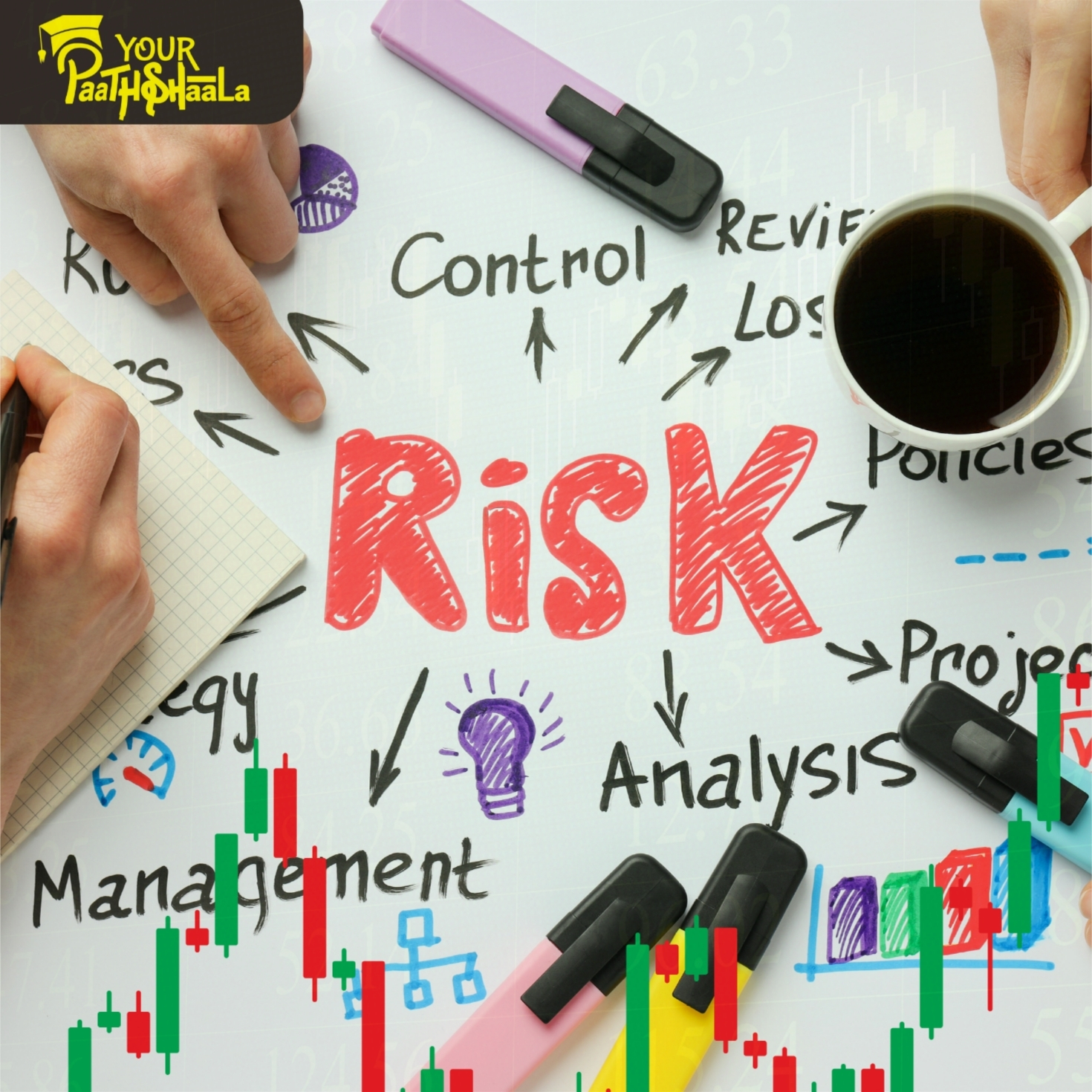
What are Risk Management Essentials?
Risk Management Essentials: Protect Your Investments Smartly in 2025
Protecting your investments requires smart risk management to navigate the unpredictable nature of markets. As of September 22, 2025, position sizing, stop-loss orders, and maintaining a separate emergency fund are critical tools to safeguard your portfolio. This 2000-word guide simplifies these strategies with three core principles: never invest money you can’t afford to lose, don’t put too much in one stock, and learn practical tools to manage risks effectively. Offering actionable insights for beginners and seasoned investors, this guide helps you build safer investment habits. Ready to protect your wealth? Let’s dive into risk management essentials.
What are Risk Management Essentials?
Risk management essentials are strategies to minimize potential losses while preserving investment growth. Position sizing limits exposure to any single asset, stop-loss orders cap downside risk, and an emergency fund ensures living expenses are safe from market volatility. With markets facing volatility (VIX at 18, per CBOE) and poor risk management costing retail investors 15% of returns in 2024, per Bloomberg, these principles are vital for resilient portfolios in 2025’s dynamic financial landscape.
Key Strategies for Risk Management Essentials
To excel in risk management, focus on three key strategies: using position sizing to limit exposure, implementing stop-loss orders to control losses, and maintaining a separate emergency fund for financial security. Below, we explore each in detail.
1. Position Sizing: Don’t Put Too Much in One Stock
Position sizing ensures no single investment can significantly harm your portfolio by limiting the percentage allocated to any one stock or asset. For example, capping each position at 5% of a portfolio protected investors from 20% losses in single stocks during 2024’s tech dip, per Morningstar.
How to Implement Position Sizing
Allocate no more than 5-10% of your portfolio to a single stock or ETF like SPY (S&P 500).
Use portfolio management tools like Morningstar or Personal Capital to track allocations.
Rebalance regularly to maintain desired position sizes as markets shift.
Diversify across sectors like healthcare (XLV) and consumer staples (XLP) to spread risk.
Position sizing reduces exposure but may limit gains, so balance with growth-oriented assets.
2. Stop-Loss Orders: Limiting Downside Risk
Stop-loss orders automatically sell a stock when it falls below a set price, capping losses during market declines. For instance, a 10% stop-loss on a $100 stock triggers a sale at $90, protecting against deeper drops in volatile markets.
How to Use Stop-Loss Orders
Set stop-loss orders on platforms like Interactive Brokers or Fidelity, typically 10-20% below purchase price.
Invest in ETFs like VTI (total market) with stop-losses to manage broad market risks.
Adjust stop-loss levels based on volatility (VIX at 18, per CBOE) and risk tolerance.
Diversify across assets with stop-losses and stable investments like bonds (BND) for balance.
Stop-loss orders limit losses but risk premature sales, so set levels carefully based on analysis.
3. Emergency Fund: Protecting Living Expenses
An emergency fund, kept separate from investments, covers 3-6 months of living expenses, ensuring market downturns don’t force you to sell assets at a loss. For example, a $20,000 fund protected investors from panic selling during 2024’s market dips, per Bloomberg.
How to Maintain an Emergency Fund
Store funds in high-yield savings or money market accounts via platforms like Ally or Schwab.
Avoid dipping into investments for emergencies by keeping funds liquid and separate.
Replenish the fund after use to maintain financial security.
Diversify investments across ETFs like VOO (S&P 500) while keeping emergency funds untouched.
Emergency funds provide security but earn low returns, so balance with growth-focused investments.
Risks and Challenges in Risk Management Essentials
Risk management offers protection but comes with challenges:
Over-Cautiousness: Excessive risk avoidance may limit returns in bull markets.
Market Volatility: Rapid swings (VIX at 18, per CBOE) can trigger stop-losses prematurely.
Liquidity Needs: Emergency funds tie up capital, reducing investable assets.
Economic Pressures: Inflation (3.5% CPI in 2024, per FRED) erodes savings value.
To mitigate risks, diversify strategies, adjust stop-losses dynamically, and monitor economic trends. Professional guidance can optimize execution.
Tools and Resources for Risk Management Essentials
To excel in risk management, leverage these tools:
Portfolio Platforms: Use Morningstar, Personal Capital, or Bloomberg Terminal for position sizing and tracking.
Trading Platforms: Access stop-loss features via Interactive Brokers or Fidelity.
Savings Tools: Manage emergency funds with Ally, Schwab, or high-yield savings calculators.
Educational Resources: YourPaathshaala offers practical lessons and free demo classes.
These tools, paired with disciplined research, can enhance your risk management strategy.
Why Risk Management Essentials Matter in 2025
As of September 22, 2025, risk management is critical amid volatile markets. Poor risk strategies cost retail investors 15% of returns in 2024, per Bloomberg, while well-managed portfolios outperformed by 7%, per Morningstar. With economic pressures (3.5% CPI, per FRED) and market volatility (VIX at 18, per CBOE), position sizing, stop-loss orders, and emergency funds are essential for protecting investments and ensuring financial stability in 2025.
Getting Started with Risk Management Essentials
Ready to protect your investments smartly? Follow these steps:
- Learn Risk Basics: Study position sizing, stop-loss orders, and emergency funds.
- Choose a Platform: Select a broker with risk management tools and savings options.
- Start Small: Test risk strategies with a small, diversified portfolio.
- Diversify: Spread investments across stocks, bonds, and liquid savings.
- Seek Education: Join YourPaathshaala’s free demo classes for practical lessons, located near Anjali Children Hospital, Tagore Nagar, Mathpurena, Raipur, Chhattisgarh, PIN code: 492001.
Conclusion
Risk management essentials—through position sizing, stop-loss orders, and maintaining an emergency fund—empower investors to protect their portfolios in 2025. By following simple principles—never invest money you can’t afford to lose, don’t put too much in one stock, and use practical tools—you can build safer investment habits. Despite challenges like over-cautiousness or market volatility, diversified strategies and reliable tools can lead to success. Explore these concepts with YourPaathshaala’s clear, practical lessons and free demo classes to address your doubts.
Visit YourPaathshaala
Near 🏥 Anjali Children Hospital, Tagore Nagar, Mathpurena, Raipur.
📫 PIN code: 492001, Chhattisgarh
📞 Click the Call Now to contact us!
Latest Posts...

What are Long-term Wealth Building Principles?
Long-term Wealth Building Principles: Grow Steadily, Not Stressfully in 2025
Building wealth over time is about steady, disciplined strategies rather than high-risk moves. As of September 20, 2025, regular investing outperforms market timing, index funds capture broad market growth with minimal effort, and tax-advantaged accounts accelerate compounding. This 2000-word guide simplifies these principles with three golden rules: consistency beats perfection, small regular investments outperform sporadic big ones, and build wealth step by step the smart way. Offering actionable insights for beginners and seasoned investors, this guide helps you achieve long-term financial success. Ready to grow steadily, not stressfully? Let’s dive into long-term wealth building principles.
What are Long-term Wealth Building Principles?
Long-term wealth building principles focus on consistent, low-effort strategies to grow assets over decades, leveraging compounding to turn small contributions into substantial sums. Regular investing avoids timing risks, index funds provide diversified market exposure, and tax-advantaged accounts like 401(k)s or IRAs enhance growth by reducing taxes. With global markets delivering 7% average annual returns over 20 years, per JPMorgan, and volatility persisting (VIX at 18, per CBOE), these principles are essential for resilient wealth creation in 2025’s dynamic financial landscape.
Key Strategies for Long-term Wealth Building
To excel in long-term wealth building, focus on three key strategies: regular investing to beat market timing, using index funds for effortless growth, and leveraging tax-advantaged accounts for accelerated compounding. Below, we explore each in detail.
1. Regular Investing: Consistency Beats Perfection
Regular investing, such as dollar-cost averaging, involves contributing fixed amounts at consistent intervals, reducing the impact of market volatility and outperforming attempts to time perfect entries. For example, $200 monthly invested in the S&P 500 over 30 years at 7% returns grows to $250,000, per standard calculations, far surpassing irregular timing efforts.
How to Implement Regular Investing
- Set up automatic contributions to ETFs like VTI (Vanguard Total Stock Market) via platforms like Vanguard or Fidelity.
- Invest consistently regardless of market highs or lows to average costs over time.
- Monitor progress quarterly to ensure alignment with goals, adjusting contributions as income grows.
- Diversify across asset classes like stocks (SPY) and bonds (BND) for balanced regular investing.
Regular investing builds wealth steadily but requires patience during downturns, so focus on long-term horizons.
2. Index Funds: Capturing Market Growth with Minimal Effort
Index funds track broad market indices like the S&P 500, providing diversified exposure with low fees and minimal management. They capture overall market growth, with the S&P 500 averaging 10% annual returns since 1926, per NYU data, making them ideal for effortless wealth building.
How to Use Index Funds
- Invest in low-cost index ETFs like VOO (Vanguard S&P 500) or VXUS (Vanguard Total International Stock).
- Allocate based on risk tolerance, with higher stock exposure for long-term growth.
- Rebalance annually to maintain desired asset mix, using tools like Portfolio Visualizer.
- Diversify across domestic (SPY) and international (VEU) index funds for global coverage.
Index funds offer simplicity but may lag active strategies in specific markets, so complement with selective investments.
3. Tax-Advantaged Accounts: Accelerating Wealth Through Compounding
Tax-advantaged accounts like IRAs or 401(k)s defer taxes on contributions or earnings, boosting compounding. For instance, $5,000 annually in a Roth IRA at 7% over 30 years grows tax-free to $500,000+, per standard calculations, versus $350,000 in a taxable account.
How to Leverage Tax-Advantaged Accounts
- Contribute to accounts like Roth IRAs or 401(k)s via employers or platforms like Fidelity.
- Maximize employer matches in 401(k)s for free money to accelerate growth.
- Invest in diversified ETFs within accounts, like VTI for stocks or BND for bonds.
- Diversify across account types (traditional vs Roth) to optimize tax efficiency.
Tax-advantaged accounts enhance growth but have contribution limits and withdrawal rules, so plan accordingly.
Risks and Challenges in Long-term Wealth Building
Long-term wealth building offers steady growth but comes with challenges:
- Market Volatility: Downturns (VIX at 18, per CBOE) can test patience during long horizons.
- Inflation Erosion: Rising prices (3.5% CPI in 2024, per FRED) can reduce real returns if not outpaced.
- Discipline Gaps: Inconsistent investing disrupts compounding benefits.
- Tax Changes: Policy shifts may affect tax-advantaged accounts.
To mitigate risks, diversify assets, maintain consistent contributions, and monitor economic trends. Professional guidance can optimize execution.
Tools and Resources for Long-term Wealth Building
To excel in long-term wealth building, leverage these tools:
- Investment Platforms: Use Vanguard, Fidelity, or Wealthfront for automated investing and tax-advantaged accounts.
- Portfolio Tools: Track compounding with Morningstar, Personal Capital, or Bloomberg Terminal.
- Calculators: Use retirement or compound interest calculators from Bankrate or Vanguard.
- Educational Resources: YourPaathshaala offers practical lessons and free demo classes.
These tools, paired with disciplined research, can enhance your wealth-building strategy.
Why Long-term Wealth Building Principles Matter in 2025
As of September 20, 2025, long-term wealth building is critical amid volatile markets. Inconsistent investing cost retail investors 15% of returns in 2024, per Bloomberg, while regular, index-based portfolios outperformed by 7%, per Morningstar. With economic pressures (3.5% CPI, per FRED) and market volatility (VIX at 18, per CBOE), principles like regular investing, index funds, and tax-advantaged accounts ensure steady growth and financial freedom in 2025’s complex environment.
Getting Started with Long-term Wealth Building
Ready to build wealth steadily, not stressfully? Follow these steps:
- Learn Compounding Basics: Study regular investing, index funds, and tax-advantaged accounts.
- Choose a Platform: Select a broker with low-cost ETFs and automated tools.
- Start Small: Begin with small, regular contributions to a diversified portfolio.
- Diversify: Spread investments across stocks, bonds, and tax-advantaged accounts.
- Seek Education: Join YourPaathshaala’s free demo classes for practical lessons, located near Anjali Children Hospital, Tagore Nagar, Mathpurena, Raipur, Chhattisgarh, PIN code: 492001.
Conclusion
Long-term wealth building principles—regular investing, index funds, and tax-advantaged accounts—offer a steady path to financial success in 2025. By following simple rules—consistency beats perfection, small regular investments outperform big ones, and build step by step—you can harness compounding for exponential growth. Despite challenges like volatility or inflation, diversified strategies and reliable tools can lead to success. Explore these principles with YourPaathshaala’s clear, practical lessons and free demo classes to address your doubts.
Visit YourPaathshaala
Near 🏥 Anjali Children Hospital, Tagore Nagar, Mathpurena, Raipur.
📫 PIN code: 492001, Chhattisgarh
📞 Click the Call Now to contact us!
Latest Posts...

What are Currency and International Markets?
Currency and International Markets: Learn How Money Moves Across Borders in 2025
The flow of money across borders shapes global markets, influencing investments through currency strength, foreign investment flows, and commodity price changes. As of September 19, 2025, understanding these dynamics is crucial for navigating international opportunities. This 2000-word guide simplifies these concepts with three core principles: strong currencies benefit importers, weak currencies boost exporters, and global money movements create investment opportunities. Offering actionable insights for beginners and seasoned investors, this guide helps you master international markets. Ready to learn how money moves globally? Let’s dive into currency and international markets.
What are Currency and International Markets?
Currency and international markets involve the interplay of exchange rates, foreign capital flows, and commodity prices, which drive economic and investment outcomes. A strong local currency lowers import costs but challenges exporters, while foreign investment flows shift market sentiment, and commodity prices impact resource-driven economies. With global markets facing volatility (VIX at 18, per CBOE) and currency fluctuations costing investors 10% of returns in 2024, per Bloomberg, mastering these dynamics is essential for resilient portfolios in 2025’s complex financial landscape.
Key Strategies for Navigating Currency and International Markets
To excel in international market investing, focus on three key strategies: leveraging currency strength, capitalizing on foreign investment flows, and understanding commodity price impacts. Below, we explore each in detail.
1. Leveraging Currency Strength: Strong Currency = Cheaper Foreign Goods
A strong local currency, like a rising U.S. dollar (DXY up 5% in 2024, per Bloomberg), reduces import costs, benefiting consumers and importers but challenging exporters. For example, a strong dollar boosted U.S. consumer stocks like Walmart in 2024.
How to Leverage Currency Strength
Invest in ETFs like XLY (consumer discretionary) or VCR (Vanguard Consumer Discretionary) during strong currency periods.
Monitor exchange rates via Bloomberg Terminal or XE.com for currency strength signals.
Research import-heavy sectors like retail or tech for investment opportunities.
Diversify across currency-sensitive ETFs (HEFA) and stable assets like bonds (BND) to balance risks.
Currency strength offers opportunities but is volatile, so pair with diversified investments.
2. Capitalizing on Foreign Investment Flows: Shifting Market Sentiment
Foreign investment flows, such as portfolio inflows to emerging markets ($200 billion in 2024, per IIF), drive market sentiment and asset prices. For instance, capital inflows boosted emerging market ETFs like IEMG by 12% in 2024, per Morningstar.
How to Capitalize on Foreign Investment Flows
Allocate to ETFs like EEM (MSCI Emerging Markets) or VWO (Vanguard Emerging Markets) during high inflows.
Track foreign investment data via IIF reports or Bloomberg for market signals.
Research countries with strong capital inflows, like India or Brazil, for opportunities.
Diversify across global ETFs (VEU) and defensive sectors like utilities (XLU) to manage volatility.
Investment flows drive growth but face sudden reversals, so monitor global capital trends.
3. Understanding Commodity Price Impacts: Resource-Rich vs Resource-Poor Economies
Commodity price changes, like oil’s 10% rise in 2024, per EIA, benefit resource-rich economies (e.g., Canada) but challenge resource-poor ones (e.g., Japan). These shifts create distinct investment opportunities in commodity-driven markets.
How to Understand Commodity Price Impacts
Invest in commodity ETFs like DBC (Invesco DB Commodity) or energy ETFs (XLE) during price spikes.
Monitor commodity trends via EIA or Bloomberg for resource market signals.
Research resource-rich economies or companies like ExxonMobil for targeted investments.
Diversify across commodity and non-commodity assets like bonds (AGG) to balance risks.
Commodity prices create opportunities but are volatile, so integrate with broader strategies.
Risks and Challenges in Currency and International Markets
Navigating currency and international markets offers opportunities but comes with challenges:
Currency Volatility: Exchange rate swings (DXY up 5% in 2024, per Bloomberg) impact returns.
Geopolitical Risks: Trade tensions or sanctions disrupt investment flows.
Commodity Fluctuations: Price volatility affects resource-driven investments.
Market Volatility: Global markets swing (VIX at 18, per CBOE), complicating strategies.
To mitigate risks, diversify across assets, monitor global events, and use reliable data. Professional guidance can optimize execution.
Tools and Resources for Currency and International Markets
To excel in international market investing, leverage these tools:
Currency Platforms: Use XE.com or Bloomberg Terminal for exchange rate data.
Investment Platforms: Access ETFs via Vanguard or Fidelity for global exposure.
Analytics Tools: Leverage IIF, EIA, or Morningstar for investment flow and commodity insights.
Educational Resources: YourPaathshaala offers practical lessons and free demo classes.
These tools, paired with disciplined research, can enhance your international investing strategy.
Why Currency and International Markets Matter in 2025
As of September 19, 2025, currency and international markets are critical amid global volatility. Currency missteps and poor international picks cost investors 10% of returns in 2024, per Bloomberg, while globally diversified portfolios outperformed by 7%, per Morningstar. With economic pressures (3.5% CPI, per FRED) and market volatility (VIX at 18, per CBOE), understanding currency, investment flows, and commodities is essential for smarter, resilient investing in 2025.
Getting Started with Currency and International Markets
Ready to navigate global money movements for smarter investing? Follow these steps:
- Learn Global Dynamics: Study currency strength, investment flows, and commodity impacts.
- Choose a Platform: Select a broker with global ETFs and currency analytics tools.
- Start Small: Test strategies with a small, diversified international portfolio.
- Diversify: Spread investments across global markets, commodities, and stable assets.
- Seek Education: Join YourPaathshaala’s free demo classes for practical lessons, located near Anjali Children Hospital, Tagore Nagar, Mathpurena, Raipur, Chhattisgarh, PIN code: 492001.
Conclusion
Mastering currency and international markets—through leveraging currency strength, capitalizing on investment flows, and understanding commodity price impacts—empowers investors to seize global opportunities in 2025. By following simple principles—strong currencies aid importers, weak currencies boost exporters, and global money movements shape investments—you can build resilient portfolios. Despite challenges like currency volatility or geopolitical risks, diversified strategies and reliable tools can lead to success. Explore these concepts with YourPaathshaala’s clear, practical lessons and free demo classes to address your doubts.
Visit YourPaathshaala
Near 🏥 Anjali Children Hospital, Tagore Nagar, Mathpurena, Raipur.
📫 PIN code: 492001, Chhattisgarh
📞 Click the Call Now to contact us!