
Emerging Market Opportunities in 2025: Unlocking Global Diversification, Commodities, REITs, and Bonds​ - YourPaathshaala Stock Market Course in Raipur.

What is emerging market opportunities 2025?

Emerging Market Opportunities in 2025: Unlocking Global Diversification, Commodities, REITs, and Bonds

The investment landscape is evolving faster than ever, and 2025 is shaping up to be a year of unprecedented access and innovation for retail investors. Thanks to new platforms, regulatory changes, and technology, emerging market opportunities are now within reach for individuals who once found global investing complex or costly. From international stocks and direct commodity exposure to real estate investment trusts (REITs) and simplified bond trading, investors can now diversify their portfolios like never before.

This comprehensive, SEO-friendly guide explores the most exciting emerging market opportunities available today. Learn how you can broaden your investment horizons, reduce risk, and pursue new sources of growth—no matter your experience level.

Why Emerging Market Opportunities Matter in 2025

Emerging market opportunities are about more than just investing in fast-growing economies. They represent a shift towards greater accessibility, transparency, and choice for all investors. Here’s why they matter:

  • Diversification: Access to global assets reduces your reliance on a single market or sector.

  • Alternative returns: New asset classes can help you find growth and income when traditional markets are volatile.

  • Inflation protection: Commodities and real estate often perform well when inflation rises.

  • Financial inclusion: Lower minimums and digital platforms mean anyone can participate, not just institutions.

Let’s explore the four key trends driving emerging market opportunities this year.

1. Easier International Stock Access: Go Global with Your Portfolio

One of the most significant emerging market opportunities is the ability to invest in international stocks with ease. In the past, buying shares of companies listed in the US, Europe, or Asia required complex paperwork, high fees, and sometimes even a foreign bank account. Today, new trading platforms and global brokerages have simplified the process.

How International Stock Access Works Now

  • Multi-market platforms: Apps and brokers offer access to dozens of global exchanges from a single account.

  • Fractional shares: Buy a piece of high-priced international stocks, making global diversification affordable.

  • Regulatory support: Cross-border investing is encouraged by many governments, with better investor protections.

Benefits for Investors

  • Broader diversification: Reduce risk by spreading investments across countries, industries, and currencies.

  • Growth potential: Tap into fast-growing companies and sectors outside your home market.

  • Hedge against local downturns: If your domestic market lags, global holdings can balance your returns.

Practical Example

Suppose you’re based in India but want to invest in US tech giants, European luxury brands, or Asian manufacturing leaders. With today’s platforms, you can buy, hold, and sell these stocks as easily as you would local shares.

2. Direct Commodity Exposure: Alternative Investment Routes

Commodities—like gold, oil, and agricultural products—have long been used by institutional investors to diversify and hedge portfolios. Now, direct commodity exposure is an emerging market opportunity for retail investors as well.

How to Invest in Commodities Today

  • Commodity ETFs and mutual funds: Track the price of gold, silver, oil, or baskets of commodities.

  • Online commodity trading platforms: Buy and sell futures or spot contracts with lower minimums.

  • Tokenized commodities: Some platforms now offer digital tokens backed by real-world assets, making commodity investing even more accessible.

Benefits for Investors

  • Inflation hedge: Commodities often rise in value when inflation is high.

  • Portfolio diversification: Commodity prices don’t always move in sync with stocks or bonds.

  • Alternative returns: Capture gains from supply-demand imbalances or global events.

Key Considerations

  • Volatility: Commodity prices can swing sharply due to geopolitical or weather events.

  • Storage and delivery: Most retail investors use ETFs or funds to avoid the complexities of physical delivery.

3. REITs: Making Property Investing Accessible

Real estate has always been a cornerstone of wealth creation, but direct property investment can be expensive and illiquid. Enter Real Estate Investment Trusts (REITs)—a game-changing emerging market opportunity for investors seeking exposure to property markets without the hassles of ownership.

What Are REITs?

  • REITs are companies that own, operate, or finance income-producing real estate.

  • They trade on stock exchanges, so you can buy and sell shares easily.

  • REITs pay out most of their income as dividends, making them attractive for income-focused investors.

Types of REITs

  • Equity REITs: Own and manage properties like offices, malls, apartments, and hotels.

  • Mortgage REITs: Invest in mortgages or mortgage-backed securities.

  • Hybrid REITs: Combine both property ownership and mortgage investments.

Benefits for Investors

  • Liquidity: Buy or sell REIT shares at any time, unlike physical real estate.

  • Diversification: Gain exposure to a wide range of property types and locations.

  • Regular income: Many REITs pay attractive dividends, often higher than traditional stocks or bonds.

  • Lower entry cost: Start investing in real estate with just a few hundred or thousand rupees.

Example

You can invest in a REIT that owns shopping malls across Asia, office buildings in the US, or logistics centers in Europe—all from your brokerage account.

4. Bond Trading: Simpler and More Available to Retail Investors

Bonds have traditionally been the domain of large institutions and wealthy individuals, but that’s changing fast. The rise of digital platforms and regulatory reforms has made bond trading an emerging market opportunity for everyday investors.

How Bond Trading Has Changed

  • Online bond platforms: Buy and sell government, municipal, and corporate bonds with low minimums.

  • Bond ETFs: Invest in a basket of bonds for instant diversification and liquidity.

  • Fractional bond investing: Own a portion of a bond, lowering the barrier to entry.

Benefits for Investors

  • Stable income: Bonds pay regular interest, which can balance the volatility of stocks.

  • Capital preservation: High-quality bonds are less risky than equities.

  • Diversification: Bonds often perform well when stocks are under pressure.

What to Watch For

  • Interest rate risk: Bond prices can fall if interest rates rise.

  • Credit risk: Corporate bonds carry the risk of default; government bonds are generally safer.

How to Start Exploring Emerging Market Opportunities

If you’re ready to take advantage of these emerging market opportunities, here’s how to get started:

  1. Open a global brokerage account: Choose a platform that offers access to international stocks, commodities, REITs, and bonds.
  2. Start small: Use fractional investing and ETFs to build exposure without overcommitting capital.
  3. Diversify: Spread your investments across asset classes, sectors, and regions.
  4. Stay informed: Follow global market news, trends, and regulatory changes.
  5. Review and rebalance: Monitor your portfolio regularly and adjust as needed to maintain your desired risk level.

Frequently Asked Questions

Q: Is it safe to invest in international stocks and assets?
Yes, as long as you use regulated platforms and diversify your holdings. Be mindful of currency risk and local regulations.

Q: How much money do I need to start investing in REITs or bonds?
Many platforms allow you to start with as little as ₹500–₹1,000, thanks to fractional shares and bond units.

Q: Are commodities too risky for beginners?
Commodities can be volatile, but commodity ETFs and diversified funds can help manage risk.

Q: Can I get regular income from these emerging market opportunities?
Yes. REITs and bonds are known for regular payouts, while some international stocks also pay dividends.

Q: How do I keep track of all these investments?
Most modern brokerages offer portfolio tracking tools. You can also use third-party apps to monitor performance and diversification.

Conclusion: Seize Emerging Market Opportunities for a Brighter Financial Future

Emerging market opportunities in 2025 are breaking down barriers and opening doors for retail investors everywhere. With easier access to international stocks, direct commodity exposure, REITs, and bonds, you can build a truly global, diversified portfolio tailored to your goals and risk tolerance.

If you want to learn more about how to harness these opportunities and build a resilient investment strategy, expert guidance can help you get started on the right foot.

Visit YourPaathshaala
Near 🏥 Anjali Children Hospital, Tagore Nagar, Mathpurena, Raipur.
📫 PIN code: 492001, Chhattisgarh
📞 Click the Call Now  to contact us!

Take your financial knowledge to the next level with YourPaathshaala—your trusted partner for investment education and market insight.


Regulatory Changes in Trading: What Every Modern Trader Needs to Know in 2025​ - Stock Market Classes in Raipur.

What is Regulatory Changes in Trading 2025?

Regulatory Changes in Trading: What Every Modern Trader Needs to Know in 2025

The world of trading is constantly evolving—not just because of new technologies and strategies, but also due to shifting regulations. In 2025, regulatory changes in trading are shaping how investors and traders operate, manage risk, and ensure compliance. Understanding these rules is essential for anyone who wants to trade confidently and avoid costly mistakes.

This comprehensive, SEO-friendly guide breaks down the most important regulatory changes in trading that affect retail and professional traders alike. We’ll cover pattern day trading rules, tax regulations like wash sales and capital gains, the scrutiny of payment for order flow, and the growing oversight of social media-driven trading. Whether you’re a beginner or a seasoned trader, this article will help you navigate the regulatory landscape with clarity and confidence.

Pattern Day Trading Rules: The $25,000 Minimum Explained

One of the most well-known regulatory changes in trading, especially for active traders in the US, is the pattern day trading (PDT) rule. This rule requires traders who execute four or more day trades within five business days to maintain a minimum account balance of $25,000.

What is a Pattern Day Trader?

A pattern day trader is someone who buys and sells the same security on the same day, four or more times in a rolling five-day period. The rule applies to margin accounts, not cash accounts.

Why Does the $25,000 Rule Exist?

The PDT rule was introduced to protect inexperienced traders from excessive risk and potential large losses. Regulators believe that day trading is riskier and requires a higher capital buffer.

Implications for Traders

  • If your margin account falls below $25,000, your broker will restrict you from making further day trades until you deposit more funds.

  • Workarounds: Some traders use multiple brokerage accounts or focus on swing trading (holding positions overnight) to avoid the rule.

  • Global differences: While the PDT rule is a US regulation, other countries have their own requirements, so always check local rules.

Key Takeaway

If you plan to day trade actively, ensure you meet the minimum balance requirement or adjust your strategy to avoid restrictions.

Wash Sale and Capital Gains Rules: Tax Efficiency Matters

Tax regulations are a critical part of the regulatory changes in trading. Two of the most important concepts for traders are the wash sale rule and capital gains taxes.

Wash Sale Rule

The wash sale rule prevents traders from claiming a tax deduction for a loss on a security if they buy a “substantially identical” security within 30 days before or after the sale.

Example:

  • You sell a stock at a loss to offset gains.

  • If you repurchase the same stock within 30 days, the loss is disallowed for tax purposes.

Why This Rule Exists

The wash sale rule is designed to stop traders from artificially creating tax losses while maintaining their investment positions.

Capital Gains Rules

Capital gains taxes apply to profits from selling securities. In most countries:

  • Short-term capital gains (assets held less than a year) are taxed at higher rates.

  • Long-term capital gains (assets held more than a year) are taxed at lower rates.

Implications for Traders

  • Tax efficiency: Understanding these rules can help you minimize your tax burden.

  • Strategy: Many traders use tax-loss harvesting, but must be careful to avoid wash sales.

  • Record-keeping: Keep detailed records of all trades for accurate tax reporting.

Key Takeaway

Stay informed about tax regulations in your country, and consider consulting a tax advisor to maximize your after-tax returns.

Payment for Order Flow (PFOF): Greater Transparency and Scrutiny

Payment for order flow (PFOF) is a practice where brokers receive compensation for routing orders to specific market makers or trading venues. This practice has come under increasing scrutiny as part of recent regulatory changes in trading.

What is Payment for Order Flow?

When you place a trade, your broker may send the order to a third party (market maker) who executes the trade. In return, the broker receives a small payment.

Why Regulators Are Concerned

  • Potential conflict of interest: Brokers might prioritize their own profits over getting the best price for clients.

  • Order execution quality: There’s debate over whether PFOF negatively impacts the price you receive.

Recent Regulatory Changes

  • Increased disclosure: Brokers must now provide more transparency about how they route orders and any compensation received.

  • Best execution standards: Regulators are demanding proof that brokers are seeking the best possible prices for their clients.

  • Possible bans: Some jurisdictions are considering banning or restricting PFOF altogether.

What Traders Should Do

  • Review your broker’s disclosures: Understand how your orders are routed and whether PFOF is involved.

  • Compare execution quality: Some brokers offer price improvement guarantees or detailed execution reports.

Key Takeaway

Stay informed about your broker’s practices and choose platforms that prioritize your interests and provide clear disclosures.

Social Media-Driven Trading: New Regulatory Oversight

The rise of social media-driven trading—where online communities coordinate buying or selling of stocks—has caught the attention of regulators worldwide. In 2025, this is one of the most significant regulatory changes in trading.

Why Social Media Trading Is Under Scrutiny

  • Market manipulation risks: Coordinated actions can create artificial price movements, hurting uninformed investors.

  • Pump-and-dump schemes: Bad actors may hype up a stock, then sell at a profit, leaving others with losses.

  • Misinformation: False rumors or misleading advice can spread rapidly.

Regulatory Responses

  • Monitoring and enforcement: Regulators now monitor social media platforms for suspicious trading activity.

  • Reporting requirements: Influencers and group leaders may be required to disclose positions and conflicts of interest.

  • Education campaigns: Authorities are warning investors about the risks of following social media trends blindly.

What Traders Should Know

  • Be skeptical: Always verify information from social media before acting.

  • Understand the risks: Volatility driven by online hype can lead to rapid gains—and losses.

  • Stay compliant: Avoid participating in coordinated schemes that could be considered manipulation.

Key Takeaway

Use social media as a source of ideas, not as a substitute for your own research and risk management.

To stay compliant and protect your capital in the face of ongoing regulatory changes in trading, follow these best practices:

  1. Stay Informed: Regularly review updates from regulators and your broker.
  2. Keep Detailed Records: Accurate trade logs are essential for tax reporting and compliance.
  3. Consult Professionals: Tax advisors and legal experts can help you navigate complex rules.
  4. Use Trusted Platforms: Choose brokers and trading apps that are transparent and regulated.
  5. Educate Yourself: Take courses or attend webinars on trading regulations and compliance.

Frequently Asked Questions

Q: Do pattern day trading rules apply outside the US?
No, but other countries may have their own day trading regulations. Always check local rules.

Q: How can I avoid a wash sale?
Wait at least 31 days before repurchasing the same or a substantially identical security after selling at a loss.

Q: Is payment for order flow bad for traders?
Not always, but it’s important to choose brokers with transparent practices and good execution quality.

Q: Can I get in trouble for following social media trading tips?
If you participate in coordinated manipulation or spread false information, you could face penalties. Always do your own research.

Conclusion: Stay Ahead of Regulatory Changes in Trading

Regulatory changes in trading are designed to protect investors, ensure fair markets, and promote transparency. By understanding pattern day trading rules, tax regulations, payment for order flow practices, and the oversight of social media-driven trading, you can trade with greater confidence and avoid costly mistakes.

If you want to master the latest trading rules and build a compliant, profitable strategy, expert guidance and education can make all the difference.

Visit YourPaathshaala
Near 🏥 Anjali Children Hospital, Tagore Nagar, Mathpurena, Raipur.
📫 PIN code: 492001, Chhattisgarh
📞 Click the Call Now  to contact us!

Take your financial knowledge to the next level with YourPaathshaala—your trusted partner for investment education and market insight.

What is Mobile Trading Enhancements in 2025: The Future of Trading at Your Fingertips​ - Stock Market Classes in Raipur.

Essential Educational Resources for Traders in 2025: Practice, Learn, Connect, and Test Your Strategies

What is Mobile Trading Enhancements in 2025: The Future of Trading at Your Fingertips

The journey to becoming a successful trader is paved with continuous learning, practical experience, and a strong support network. In 2025, educational resources for traders are more accessible and diverse than ever before. Whether you’re just starting out or looking to refine your skills, the right mix of tools and communities can accelerate your growth and help you avoid costly mistakes.

This guide explores the most valuable educational resources for traders: risk-free trading simulators, free YouTube content, real-time Discord communities, and historical backtesting platforms. Discover how to leverage these resources to build confidence, develop effective strategies, and connect with a global community of traders.

Risk-Free Trading Simulators: Practice Without Financial Risk

One of the most powerful educational resources for traders is the risk-free trading simulator. These platforms allow you to practice trading in real market conditions using virtual funds, so you can experiment and learn without putting your money at risk.

How Trading Simulators Work:

  • Simulators replicate live market data and trading environments.

  • You place trades, manage positions, and execute strategies as you would in a real account.

  • All profits and losses are virtual, giving you the freedom to make mistakes and learn from them.

Popular Trading Simulators:

  • Thinkorswim by TD Ameritrade

  • TradingView Paper Trading

  • NinjaTrader Simulator

  • Investopedia Simulator

Key Benefits:

  • Practice trading without any risk of losing real money.

  • Test new strategies and ideas in a safe environment.

  • Learn how to use different order types and manage trades.

  • Build experience and confidence before going live.

Risk-free trading simulators are an essential first step for anyone serious about mastering the markets.

Free YouTube Content: Learn from Experts and Market Veterans

YouTube has become a treasure trove of educational resources for traders. From basic concepts to advanced strategies, you’ll find a wealth of free content delivered by experienced traders, analysts, and educators.

What You’ll Find on YouTube:

  • Step-by-step tutorials on trading platforms and technical analysis.

  • Live market analysis and trade breakdowns.

  • Interviews with successful traders and industry experts.

  • Daily and weekly market updates, news, and forecasts.

Popular YouTube Channels for Traders:

  • Rayner Teo

  • The Chart Guys

  • Warrior Trading

  • SMB Capital

  • Trading 212

Why YouTube Is So Valuable:

  • Free access to high-quality, up-to-date knowledge.

  • Visual learning through real charts and examples.

  • Community engagement via comments and live chats.

  • Regular content to keep you informed about current market trends.

By subscribing to reputable channels and engaging with the content, you can stay ahead of the curve and continuously expand your trading knowledge.

Real-Time Discord Communities: Peer Learning and Support

Trading can be a lonely journey, but you don’t have to go it alone. Real-time Discord communities have emerged as vital educational resources for traders, offering instant access to peer support, shared insights, and collaborative learning.

What Discord Trading Communities Offer:

  • Live chat rooms for discussing trades, strategies, and market news.

  • Access to educational resources, signals, and mentorship.

  • Real-time feedback and Q&A with experienced traders.

  • Networking opportunities with traders from around the world.

Popular Discord Servers for Traders:

  • The Trading Floor

  • Stock Market Wizards

  • Crypto Traders Hub

  • Swing Trading Community

Benefits of Joining a Trading Discord:

  • Immediate interaction and support from like-minded individuals.

  • Exposure to a variety of trading styles, markets, and perspectives.

  • Motivation and accountability through group challenges and discussions.

  • A supportive environment to ask questions and share experiences.

Participating in Discord communities can accelerate your learning, help you avoid common pitfalls, and keep you motivated on your trading journey.

Historical Backtesting Platforms: Test and Refine Your Strategies

Before risking real money, it’s crucial to know whether your trading strategy actually works. Historical backtesting platforms are indispensable educational resources for traders, allowing you to simulate your strategy’s performance using past market data.

How Backtesting Platforms Work:

  • You define your trading rules and strategy parameters.

  • The platform runs your strategy against historical price data.

  • Results show how your approach would have performed over time.

Popular Backtesting Platforms:

  • TradingView

  • MetaTrader 4 and 5

  • Amibroker

  • NinjaTrader

  • QuantConnect

Key Benefits:

  • Validate your strategies with real historical data before live trading.

  • Identify strengths, weaknesses, and areas for improvement.

  • Optimize entry and exit points for better performance.

  • Reduce risk by building confidence in your approach.

Backtesting helps you avoid costly trial and error in live markets and ensures you’re trading with a proven edge.

How to Combine Educational Resources for Maximum Growth

To get the most out of these educational resources for traders, create a learning plan that incorporates all four elements:

  1. Start with a simulator to build basic skills and experiment with strategies.
  2. Watch YouTube tutorials to deepen your understanding and learn new techniques.
  3. Join Discord communities for real-time support, feedback, and networking.
  4. Backtest your strategies to ensure they’re robust before risking real capital.

By integrating these resources, you’ll accelerate your learning curve, build confidence, and develop a disciplined, data-driven approach to trading.

Frequently Asked Questions

Q: Are trading simulators realistic?
Yes, most simulators use real market data and conditions, making them excellent tools for practice.

Q: How do I find quality YouTube content for traders?
Look for channels with high subscriber counts, positive reviews, and transparent trading records. Avoid channels that promise guaranteed profits.

Q: What should I look for in a Discord trading community?
Seek active communities with experienced moderators, educational channels, and a supportive atmosphere.

Q: Is backtesting necessary for all traders?
While not mandatory, backtesting is highly recommended for anyone developing or refining a trading strategy.

Conclusion: Empower Your Trading Journey with the Best Educational Resources

Educational resources for traders in 2025 are more powerful and accessible than ever. By practicing with risk-free simulators, learning from expert YouTube content, engaging in real-time Discord communities, and validating your strategies with historical backtesting, you’ll set yourself up for long-term trading success.

If you’re ready to take your trading knowledge and skills to the next level, expert guidance and a supportive learning environment can make all the difference.

Visit YourPaathshaala
Near 🏥 Anjali Children Hospital, Tagore Nagar, Mathpurena, Raipur.
📫 PIN code: 492001, Chhattisgarh
📞 Click the Call Now  to contact us!

Take your financial knowledge to the next level with YourPaathshaala—your trusted partner for investment education and market insight.
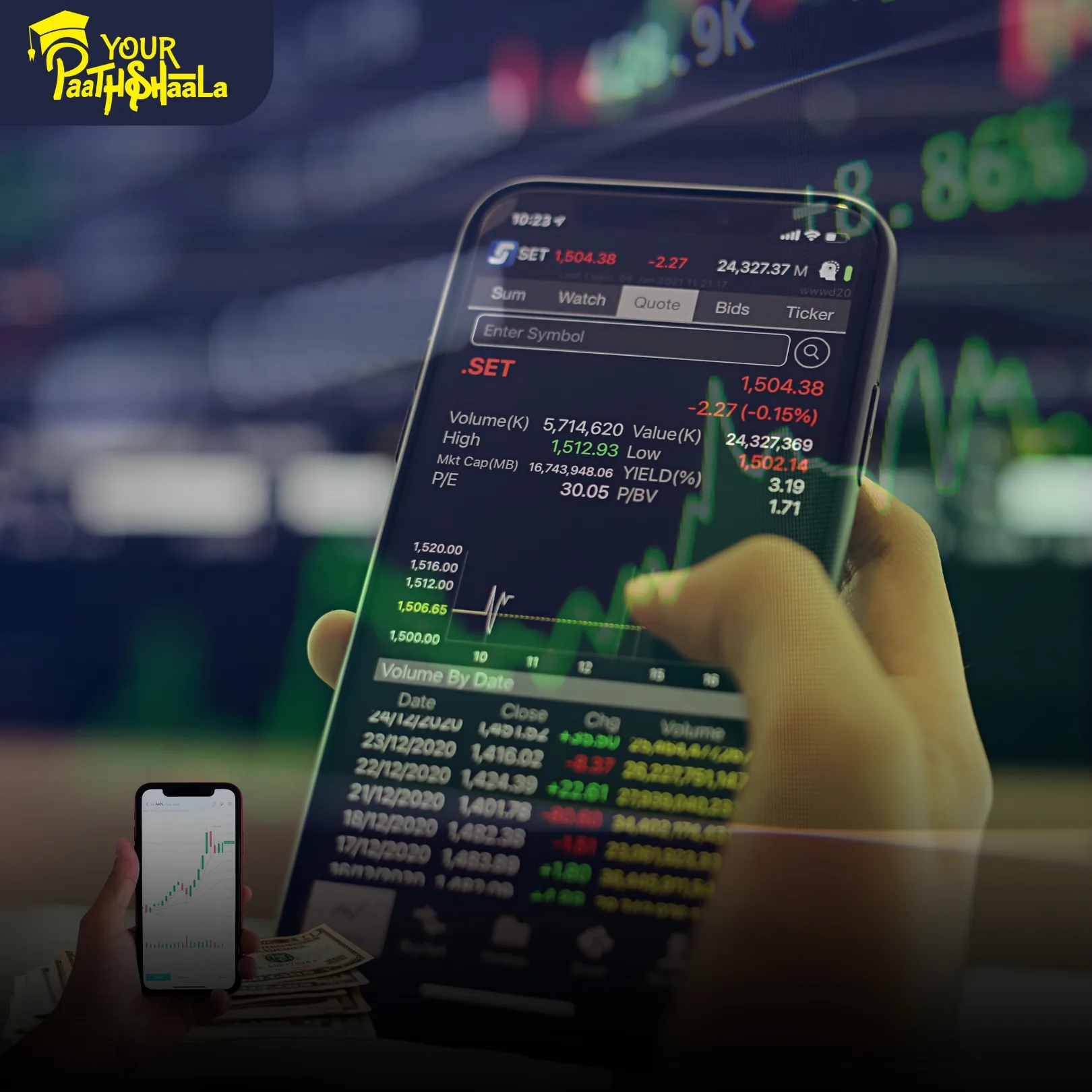
What is Mobile Trading Enhancements in 2025: The Future of Trading at Your Fingertips​ - Stock Market Classes in Raipur.

Mobile Trading Enhancements in 2025: The Future of Trading at Your Fingertips

What is Mobile Trading Enhancements in 2025: The Future of Trading at Your Fingertips

The landscape of trading has been transformed by mobile technology, empowering investors to trade, analyze, and manage their portfolios from anywhere in the world. In 2025, mobile trading enhancements are setting new standards for speed, convenience, and security. Whether you’re a seasoned trader or just starting out, these innovations are making it easier than ever to stay on top of the markets and execute your strategy with confidence.

This comprehensive, SEO-friendly guide explores the latest mobile trading enhancements: voice command trading, real-time price alerts, 3D chart visualizations, and biometric security features. Discover how these advancements are reshaping the trading experience and how you can make the most of them in your own investment journey.

Voice Command Trading: Hands-Free Execution for Maximum Convenience

One of the most exciting mobile trading enhancements is the rise of voice command trading. By leveraging advanced voice recognition technology, traders can now execute trades, check prices, and manage their accounts simply by speaking to their devices.

How Voice Command Trading Works:

  • Users activate their trading app’s voice assistant and issue commands such as “Buy 10 shares of Reliance at market price” or “Show my portfolio performance.”

  • The app interprets the command, confirms the action, and executes the trade or displays the requested information.

  • Many platforms offer customizable voice shortcuts for frequently used actions.

Benefits:

  • Hands-free convenience: Perfect for traders on the move or multitasking.

  • Speed: Execute trades instantly without navigating menus or typing.

  • Accessibility: Makes trading easier for users with disabilities or those who prefer voice interaction.

Why It Matters:
Voice command trading is a game-changer for mobile users, allowing for faster reactions to market changes and a more intuitive trading experience.

Real-Time Price Alerts: Stay Instantly Informed

Another powerful mobile trading enhancement is the ability to set real-time price alerts. These alerts notify you the moment a stock, currency, or commodity hits a specific price level, ensuring you never miss an opportunity or risk.

How Real-Time Price Alerts Work:

  • Users set custom price thresholds for their chosen assets within their trading app.

  • When the price crosses the set level, the app sends an instant notification—via push, SMS, or email.

  • Some apps also offer alerts for news, volume spikes, or technical indicator signals.

Benefits:

  • Immediate awareness: React to market movements as they happen, not after the fact.

  • Risk management: Set alerts for stop-loss or take-profit levels to protect your capital.

  • Opportunity capture: Jump on trading opportunities the moment they arise.

Why It Matters:
Real-time price alerts empower traders to act quickly, whether they’re at their desk or on the go, making it easier to manage positions and seize market opportunities.

3D Chart Visualizations: Deeper Technical Insights

Technical analysis is at the heart of many trading strategies, and 3D chart visualizations are taking it to the next level. This mobile trading enhancement allows users to view price data and indicators in a three-dimensional format, providing a richer perspective on market trends and patterns.

How 3D Chart Visualizations Work:

  • Trading apps render price, volume, and technical indicators in a 3D space, allowing users to rotate, zoom, and interact with the data.

  • Multiple timeframes and data layers can be displayed simultaneously for comprehensive analysis.

  • Some platforms offer custom visualizations for advanced pattern recognition.

Benefits:

  • Enhanced pattern recognition: Spot trends, support/resistance, and anomalies more easily.

  • Interactive analysis: Manipulate charts to view data from different angles and perspectives.

  • Educational value: Makes technical analysis more intuitive for beginners and advanced traders alike.

Why It Matters:
3D chart visualizations make complex data more accessible and actionable, helping traders make better-informed decisions with greater confidence.

Biometric Security Features: Safe and Seamless Access

Security is a top concern for mobile traders, and biometric security features are among the most important mobile trading enhancements. By integrating fingerprint scanning, facial recognition, and other biometric authentication methods, trading apps ensure that only authorized users can access accounts and execute trades.

How Biometric Security Features Work:

  • Users enroll their fingerprint, face, or voiceprint within the trading app.

  • Each time the app is opened or a sensitive action is performed (like a withdrawal or trade), biometric authentication is required.

  • Some platforms combine biometrics with two-factor authentication for added security.

Benefits:

  • Enhanced security: Significantly reduces the risk of unauthorized access, hacking, or fraud.

  • Seamless experience: Quick and easy login without typing passwords.

  • Peace of mind: Users can trade confidently, knowing their accounts are protected.

Why It Matters:
Biometric security features are setting a new standard for protecting sensitive financial information, making mobile trading both safer and more convenient.

How to Make the Most of Mobile Trading Enhancements

To fully benefit from these mobile trading enhancements, consider the following tips:

  1. Update your trading app regularly: Ensure you have the latest features and security patches.

  2. Customize your alerts: Set price and news notifications for assets you follow closely.

  3. Explore charting tools: Spend time learning how to use 3D visualizations for deeper analysis.

  4. Enable biometric security: Activate fingerprint or facial recognition for added account protection.

  5. Practice with voice commands: Familiarize yourself with available commands to streamline your trading workflow.

The Future of Mobile Trading Enhancements

As technology continues to advance, expect even more innovative features in mobile trading apps:

  • AI-powered assistants: Personalized trading recommendations and automated strategies.

  • Augmented reality (AR) interfaces: Overlay market data in your physical environment.

  • Deeper integration with wearable devices: Trade and receive alerts from smartwatches or other wearables.

  • Voice-activated analytics: Get instant analysis or news summaries simply by asking your device.

Staying informed and embracing these enhancements will help you stay competitive and agile in the fast-moving world of trading.

Frequently Asked Questions

Q: Are mobile trading enhancements available on all platforms?
Most leading brokers and trading apps now offer features like voice command trading, real-time alerts, 3D charting, and biometric security. Availability may vary, so check your app’s feature list.

Q: Is biometric authentication safe?
Yes. Biometric data is encrypted and stored securely, making it much harder for unauthorized users to access your account compared to traditional passwords.

Q: Can I use voice commands for all trading actions?
Most apps support a range of voice commands, including placing trades, checking balances, and getting quotes. Some advanced actions may still require manual input.

Q: Do 3D chart visualizations require special hardware?
No. Modern smartphones and tablets can handle 3D charting with ease, though performance may vary based on device capabilities.

Q: How do I set up real-time price alerts?
Within your trading app, look for the alerts or notifications section. Set your desired price levels, and choose how you want to be notified.

Conclusion: Embrace the Power of Mobile Trading Enhancements

Mobile trading enhancements in 2025 are revolutionizing how investors interact with markets. Voice command trading, real-time price alerts, 3D chart visualizations, and biometric security features are making trading faster, smarter, and safer than ever before. By leveraging these innovations, you can stay ahead of the curve, respond to opportunities instantly, and protect your investments with confidence.

If you want to master mobile trading enhancements and take your skills to the next level, expert guidance and education can make all the difference.

Visit YourPaathshaala
Near 🏥 Anjali Children Hospital, Tagore Nagar, Mathpurena, Raipur.
📫 PIN code: 492001, Chhattisgarh
📞 Click the Call Now  to contact us!

Take your financial knowledge to the next level with YourPaathshaala—your trusted partner for investment education and market insight.

The Evolution of Data & Analytics in 2025: Transforming Investment Decisions with Real-Time Insights​ - Stock Market Classes in Raipur.

The Evolution of Data & Analytics in 2025: Transforming Investment Decisions with Real-Time Insights

The Evolution of Data & Analytics in 2025: Transforming Investment Decisions with Real-Time Insights

The pace of change in financial markets is accelerating, and nowhere is this more evident than in the world of data and analytics. In 2025, investors and analysts have access to a wealth of real-time information and cutting-edge tools that were unimaginable just a few years ago. From instant earnings estimate updates and granular supply chain tracking to satellite monitoring and the powerful influence of social media sentiment, the data and analytics evolution is reshaping how decisions are made and how opportunities are found.

This comprehensive, SEO-friendly guide explores the key innovations driving the data and analytics evolution, how they work, and how you can leverage these advancements to make smarter investment choices.

Real-Time Earnings Estimate Updates: Sharper, Faster Decision-Making

One of the most significant breakthroughs in the data and analytics evolution is the ability to access real-time earnings estimate updates. Traditionally, investors relied on quarterly analyst reports and delayed revisions. Today, advanced analytics platforms aggregate and update earnings forecasts continuously as new information becomes available.

How It Works:

  • Analysts’ earnings forecasts are revised in real time based on company announcements, market data, and macroeconomic events.

  • Platforms use algorithms to process these updates and present the latest consensus to users instantly.

Benefits for Investors:

  • Improved Accuracy: Continuous updates mean forecasts reflect the most current expectations.

  • Faster Reaction: Investors can respond immediately to earnings surprises or guidance changes.

  • Dynamic Portfolio Management: Portfolios can be adjusted quickly in response to new data.

  • Better Risk Management: Timely information helps investors anticipate volatility and manage exposure.

By leveraging real-time earnings updates, traders and investors can make more informed decisions, stay ahead of market moves, and reduce the risk of being caught off guard by sudden news.

Supply Chain Tracking Data: Deep Operational Insight

Another major leap in the data and analytics evolution is the use of supply chain tracking data. With global supply chains under pressure from disruptions, delays, and geopolitical events, having real-time visibility into the flow of goods is invaluable.

What It Involves:

  • Collecting and analyzing data on the movement of goods, materials, and products throughout the supply chain.

  • Using IoT sensors, RFID tags, GPS tracking, and blockchain to gather accurate, real-time information.

Key Insights Provided:

  • Shipment and Inventory Tracking: Know exactly where products are at any moment.

  • Supplier Performance: Monitor delivery times and reliability.

  • Risk Identification: Spot bottlenecks, delays, or disruptions before they impact operations.

  • Transparency and Accountability: Enhance trust with stakeholders through data-driven reporting.

Why It Matters:

  • Investors and companies can assess operational health, forecast production, and anticipate potential impacts on earnings or stock prices.

  • By understanding supply chain dynamics, analysts can better evaluate a company’s resilience and growth prospects.

Supply chain tracking data is now a must-have for anyone seeking a deeper, real-time view of business operations and potential risks.

Satellite Monitoring: A New Lens on Economic Activity

Satellite monitoring represents one of the most groundbreaking aspects of the data and analytics evolution. By harnessing high-resolution images and data from space, investors and analysts can observe real-world economic activity as it happens.

Applications of Satellite Data:

  • Agriculture: Track crop health, forecast yields, and monitor planting and harvest cycles.

  • Transportation: Observe shipping traffic, port congestion, and logistics bottlenecks.

  • Construction and Industry: Assess the pace of new projects, factory output, and infrastructure development.

  • Energy Consumption: Analyze night-time light emissions to gauge economic activity in different regions.

Benefits:

  • Early Signals: Satellite data can reveal trends and disruptions before they show up in official statistics or company reports.

  • Verification: Provides an independent way to confirm (or challenge) what companies and governments report.

  • Comprehensive Coverage: Offers a global, unbiased view of economic activity, even in regions with limited transparency.

How It’s Done:

  • Satellite imagery is processed with AI and big data analytics to extract actionable insights quickly and accurately.

For investors, satellite monitoring is a powerful tool for gaining a real-time, ground-level understanding of economic trends and company performance.

Social Media Sentiment: The New Market Mover

Perhaps the most dramatic shift in the data and analytics evolution is the rise of social media sentiment as a market force. Platforms like Twitter, Reddit, and financial forums now play a pivotal role in shaping investor behavior and moving prices.

How Social Media Sentiment Analysis Works:

  • AI and natural language processing scan millions of posts, tweets, and comments to gauge the collective mood and opinions about stocks, sectors, or the market as a whole.

  • Sentiment scores and trend indicators are generated in real time.

Key Impacts:

  • Rapid News Dissemination: Information, rumors, and opinions spread instantly, often moving markets before traditional news outlets react.

  • Community Coordination: Online groups can coordinate trading actions, as seen with meme stocks and certain cryptocurrencies.

  • Sentiment-Driven Volatility: Stocks with high social media buzz can experience sharp price swings, regardless of fundamentals.

  • Complementary Analysis: Many investors now use social media sentiment as a key input alongside traditional financial analysis.

By monitoring social media sentiment, traders can anticipate crowd-driven moves, spot emerging trends, and better understand the psychological drivers of market volatility.

Integrating Data and Analytics Innovations into Your Strategy

The data and analytics evolution offers unprecedented opportunities for investors willing to embrace new tools and sources of information. Here’s how to make the most of these innovations:

  1. Stay Informed: Use platforms that provide real-time earnings estimates and supply chain data.
  2. Diversify Data Sources: Combine satellite monitoring, social sentiment, and traditional analysis for a 360-degree view.
  3. Act Quickly: Real-time data enables faster, more confident decision-making.
  4. Manage Risk: Use insights from supply chain and sentiment data to anticipate volatility and adjust positions.
  5. Continuously Learn: The landscape is always evolving—keep up with new analytics tools and methods.

The Future of Data and Analytics: What’s Next?

As technology advances, expect even more powerful data and analytics innovations:

  • Predictive Analytics: AI-driven models will forecast earnings, supply chain disruptions, and market sentiment before they happen.

  • Integration with Trading Platforms: Real-time data feeds and analytics will be built directly into trading apps for instant action.

  • Greater Transparency: Investors will demand more granular, verifiable data from companies and governments.

  • Personalized Insights: Analytics platforms will tailor recommendations based on your portfolio, risk tolerance, and interests.

Staying ahead in investing now means mastering the data and analytics evolution and using it to your advantage.

Frequently Asked Questions

Q: Are these data and analytics tools available to retail investors?
Yes. Many platforms now offer real-time earnings, supply chain, satellite, and sentiment data to individual investors.

Q: How accurate is social media sentiment analysis?
While not perfect, AI-powered tools can capture overall mood and spot major shifts quickly. It’s best used alongside other forms of analysis.

Q: Can satellite data really predict economic trends?
Satellite monitoring provides early signals and independent verification, making it a valuable supplement to traditional data.

Q: What’s the biggest risk with relying on real-time data?
Information overload and reacting to false signals. Always cross-check multiple sources and use risk management.

Conclusion: Harness the Power of Data and Analytics Evolution

The data and analytics evolution in 2025 is transforming how investors make decisions, manage risk, and spot opportunities. Real-time earnings estimate updates, supply chain tracking, satellite monitoring, and social media sentiment analysis are now essential tools for anyone serious about investing.

If you want to learn how to leverage the latest in data and analytics evolution for smarter investing, expert guidance can help you master these powerful innovations.

Visit YourPaathshaala
Near 🏥 Anjali Children Hospital, Tagore Nagar, Mathpurena, Raipur.
📫 PIN code: 492001, Chhattisgarh
📞 Click the Call Now  to contact us!

Take your financial knowledge to the next level with YourPaathshaala—your trusted partner for investment education and market insight.
What is Risk Management Innovations in 2025: Modern Tools and Strategies for Smarter Investing​ - Stock Market Classes in Raipur.

Risk Management Innovations in 2025

What is Risk Management Innovations in 2025: Modern Tools and Strategies for Smarter Investing

In the ever-evolving world of investing and trading, risk management is no longer just about setting a stop-loss or diversifying your portfolio. As markets become more complex and technology advances, a new wave of risk management innovations is empowering investors to protect their capital, optimize returns, and make more informed decisions. In 2025, these innovations are not just for professionals—retail traders and investors can now access powerful tools that were once reserved for institutional giants.

This comprehensive, SEO-friendly guide explores the latest risk management innovations, including automated position sizing calculators, trailing stops, conditional orders, portfolio heat maps, and correlation analysis tools. Whether you’re a beginner or a seasoned investor, understanding and utilizing these modern solutions can help you navigate today’s markets with greater confidence and control.

Why Risk Management Innovations Matter

Market volatility, economic uncertainty, and rapid information flow make risk management more crucial than ever. The risk management innovations gaining traction in 2025 are designed to:

  • Minimize losses during market downturns

  • Lock in profits as trends develop

  • Prevent overexposure to correlated assets

  • Provide clear, visual insights into portfolio risk

Let’s dive into the most impactful risk management innovations that every investor should know about.

Automated Position Sizing Calculators: Precision in Managing Exposure

One of the most significant risk management innovations is the automated position sizing calculator. Position sizing determines how much capital to allocate to a single trade or investment, based on your risk tolerance and portfolio size.

How Automated Position Sizing Works

Modern trading platforms and portfolio management apps now include built-in calculators. By inputting your account balance, risk per trade (as a percentage or rupee amount), and stop-loss distance, these tools instantly calculate the optimal position size for you.

Example:

  • You have ₹1,00,000 in your trading account.

  • You’re willing to risk 2% per trade (₹2,000).

  • Your stop-loss is set 5% below your entry price.

The calculator tells you exactly how many shares or contracts to buy or sell, ensuring you never risk more than your comfort level.

Benefits

  • Removes emotion and guesswork from trade sizing

  • Prevents catastrophic losses from oversized positions

  • Adapts instantly to changes in account size or risk preferences

Why It Matters

Automated position sizing is one of the most practical risk management innovations, helping traders of all levels maintain discipline and consistency.

Trailing Stops and Conditional Orders: Advanced Protection for Profits and Losses

Another set of risk management innovations gaining popularity are advanced order types like trailing stops and conditional orders.

Trailing Stops

A trailing stop is a dynamic stop-loss order that moves with the market price. If your trade is profitable, the stop automatically adjusts upward (for long positions) or downward (for short positions), locking in gains while still allowing room for the trend to continue.

Example:

  • You buy a stock at ₹500 and set a trailing stop at ₹20 below the highest price reached.

  • If the stock rises to ₹550, your stop moves to ₹530.

  • If the price then drops to ₹530, your position is sold, securing a ₹30 profit per share.

Conditional Orders

Conditional orders execute only when certain criteria are met—such as price crossing a specific level, volume spikes, or technical indicator signals. This allows for more complex, rule-based risk management.

Example:

  • You set a conditional order to sell if a stock falls below its 50-day moving average, or if its RSI drops below 30.

Benefits

  • Protects profits in trending markets

  • Limits losses automatically, even when you’re away from your trading screen

  • Enables sophisticated, multi-layered risk management strategies

Why It Matters

These innovations give traders more flexibility and control, reducing the risk of emotional decision-making and missed opportunities.

Portfolio Heat Maps: Visualizing Risk Concentration

Understanding where your portfolio’s risk is concentrated can be challenging, especially as you add more assets. Portfolio heat maps are a visual risk management innovation that makes it easy to see your exposure at a glance.

How Portfolio Heat Maps Work

A heat map uses color coding and size to represent the weight and risk level of each asset in your portfolio. High-risk or heavily weighted positions are shown in bold or bright colors, while lower-risk assets appear subdued.

Example:

  • If your portfolio is 40% in tech stocks, 30% in healthcare, and 30% in bonds, the heat map will visually highlight your tech exposure.

  • If a single stock or sector dominates your risk, it stands out immediately.

Benefits

  • Instantly spot overconcentration or imbalances

  • Make informed decisions about rebalancing or diversification

  • Track changes in risk as markets move

Why It Matters

Portfolio heat maps transform complex data into actionable insights, making them one of the most user-friendly risk management innovations for investors of all experience levels.

Correlation Analysis Tools: Preventing Overexposure to Related Assets

Correlation analysis is another powerful risk management innovation that helps investors avoid putting too many eggs in one basket. Assets that move together can amplify risk, even if they appear diversified on the surface.

How Correlation Analysis Works

Modern platforms now offer correlation matrices and tools that measure how closely the returns of different assets move together. A correlation of +1 means two assets move in perfect sync, while -1 means they move in opposite directions.

Example:

  • If you own stocks in two companies that both depend on oil prices, their returns may be highly correlated.

  • Correlation analysis helps you spot these links and adjust your holdings to reduce risk.

Benefits

  • Enhances true diversification

  • Reduces the chance of large portfolio drawdowns during market shocks

  • Allows for smarter asset allocation decisions

Why It Matters

Correlation analysis tools are essential risk management innovations for anyone building a multi-asset portfolio, whether you’re investing in stocks, bonds, commodities, or cryptocurrencies.

Integrating Risk Management Innovations into Your Strategy

To make the most of these risk management innovations, follow these steps:

  1. Assess your risk tolerance: Know how much you’re willing to lose on any single trade or investment.
  2. Use automated position sizing: Let calculators determine your trade size based on your rules.
  3. Set up trailing stops and conditional orders: Automate your exits to protect profits and limit losses.
  4. Visualize your portfolio: Use heat maps to spot risk concentration and rebalance as needed.
  5. Analyze correlations: Ensure your assets truly diversify your risk, not just your holdings.

Regularly review and update your risk management plan as your portfolio grows and market conditions change.

The Future of Risk Management: What’s Next?

As technology continues to advance, expect even more risk management innovations in the coming years:

  • AI-powered risk assessment: Algorithms that predict potential losses based on real-time data and market sentiment.

  • Personalized risk dashboards: Tailored insights and alerts based on your unique portfolio and goals.

  • Integrated risk tools for crypto and alternative assets: As new asset classes emerge, risk management tools will adapt to cover them.

Staying informed and embracing these innovations will help you stay ahead in an increasingly complex market.

Frequently Asked Questions

Q: Are these risk management innovations available to retail investors?
Yes! Most modern brokers and trading platforms now offer automated position sizing, trailing stops, heat maps, and correlation analysis tools.

Q: Do I need advanced technical skills to use these tools?
No. Many platforms are designed for ease of use, with intuitive interfaces and step-by-step guidance.

Q: How often should I review my risk management setup?
Regularly—at least quarterly, or whenever you make significant portfolio changes or market conditions shift.

Q: Can these tools guarantee I won’t lose money?
No risk management innovation can eliminate risk entirely, but they can help you control losses and protect profits more effectively.

Q: Where can I learn more about risk management innovations?
Financial education providers like YourPaathshaala offer courses and workshops on modern risk management tools and strategies.

Conclusion: Embrace Risk Management Innovations for a Safer, Smarter Investing Future

Risk management innovations in 2025 are transforming how traders and investors protect their capital, manage exposure, and make decisions. Automated position sizing calculators, trailing stops, portfolio heat maps, and correlation analysis tools are now within reach for everyone—not just professionals.

By integrating these innovations into your investment process, you’ll be better equipped to navigate volatility, seize opportunities, and achieve your financial goals with greater confidence.

Ready to Master Risk Management Innovations?

If you want to learn how to use the latest risk management innovations and build a resilient portfolio, expert guidance can make all the difference.

Visit YourPaathshaala
Near 🏥 Anjali Children Hospital, Tagore Nagar, Mathpurena, Raipur.
📫 PIN code: 492001, Chhattisgarh
📞 Click the Call Now  to contact us!

Take your financial knowledge to the next level with YourPaathshaala—your trusted partner for investment education and market insight.
Trading Strategies Gaining Popularity in 2025: Swing Trading, Momentum, Mean Reversion, and Sector Rotation​ - Stock Market Classes in Raipur.

Trading Strategies Gaining Popularity in 2025: Swing Trading, Momentum, Mean Reversion, and Sector Rotation

Trading Strategies Gaining Popularity in 2025: Swing Trading, Momentum, Mean Reversion, and Sector Rotation

The world of trading is evolving rapidly. With technology making markets more accessible and information easier to analyze, a new generation of traders is exploring innovative approaches to boost returns and manage risk. In 2025, several trading strategies are gaining popularity, each offering unique advantages for different market conditions and trader profiles.

This comprehensive, SEO-optimized guide will introduce you to the trading strategies gaining popularity this year: swing trading, momentum trading, mean reversion, and sector rotation. Whether you’re a beginner or looking to refine your approach, you’ll find actionable insights and tips to help you succeed in today’s fast-paced markets.

Why Are New Trading Strategies Gaining Popularity?

Modern traders face a landscape shaped by fast-moving news, algorithmic trading, and global events. Traditional buy-and-hold investing still has its place, but many are drawn to strategies that offer flexibility, adaptability, and the chance to profit from both rising and falling markets.

The trading strategies gaining popularity in 2025 are designed to help traders:

  • Capture opportunities in volatile markets

  • Respond quickly to changes in trends or sentiment

  • Diversify their approach to reduce risk

  • Align trades with broader economic cycles

Let’s explore each of these popular strategies in detail.

Swing Trading: Profiting from Short- and Medium-Term Price Moves

Swing trading is one of the most accessible and widely used trading strategies gaining popularity. It involves holding positions for several days to a few weeks, aiming to profit from expected price swings. Unlike day trading, which requires constant monitoring, swing trading allows for a more balanced approach.

How Swing Trading Works

Swing traders use technical analysis to identify assets likely to experience a significant move. They look for chart patterns, support and resistance levels, and momentum indicators to time their entries and exits. This strategy works well in both trending and range-bound markets, as long as there is enough volatility to create profit opportunities.

Key Benefits

  • Flexibility: You don’t need to watch the markets all day. Checking in once or twice daily is often enough.

  • Potential for larger gains: By holding positions longer than day traders, swing traders can capture more substantial price movements.

  • Works across markets: Swing trading can be applied to stocks, forex, commodities, and cryptocurrencies.

What to Watch Out For

  • Overnight risk: Holding positions for days exposes you to news or events that can move prices outside of trading hours.

  • Discipline required: Successful swing trading relies on sticking to your plan and not letting emotions dictate your actions.

Momentum trading is another approach that is gaining traction among traders in 2025. This strategy is based on the idea that assets showing strong price movement in one direction will likely continue moving that way for a period.

How Momentum Trading Works

Momentum traders scan for stocks or other assets with high relative strength and increased trading volume. They use technical indicators like the Relative Strength Index (RSI), Moving Average Convergence Divergence (MACD), and trendlines to confirm the strength of the move. The goal is to enter trades in the direction of the trend and exit before momentum fades.

Advantages

  • Quick profits: In strong trending markets, momentum trading can deliver returns in a matter of hours or days.

  • Works in all asset classes: This strategy is popular in equities, forex, commodities, and even digital assets.

  • Clear entry and exit signals: Technical indicators provide guidance on when to get in and out.

Challenges

  • Sudden reversals: Trends can end abruptly, so risk management is crucial.

  • Requires fast decision-making: Momentum traders must act quickly to capitalize on opportunities.

Mean Reversion: Betting on a Return to the Average

Mean reversion is a classic trading strategy that is gaining renewed interest in 2025. It is based on the principle that prices tend to revert to their historical average after extreme moves.

How Mean Reversion Works

Traders identify assets that have moved significantly above or below their average price using tools like Bollinger Bands, moving averages, and RSI. When a stock becomes oversold, they buy expecting a rebound. When it’s overbought, they sell or short, anticipating a pullback.

Benefits

  • Frequent opportunities: Markets often overreact, creating many chances to profit from reversals.

  • Lower emotional stress: The strategy is rule-based, helping traders avoid chasing trends or acting on impulse.

  • Complements other strategies: Mean reversion can be used alongside trend-following methods for a balanced approach.

Risks

  • Trending markets: If a strong trend persists, mean reversion trades can result in losses.

  • Patience required: Sometimes, prices take longer to revert than expected.

Sector Rotation: Aligning with Economic and Market Cycles

Sector rotation is a strategic approach that is increasingly popular as investors seek to adapt to changing economic conditions. This strategy involves moving investments between different sectors based on where we are in the business cycle.

How Sector Rotation Works

Investors monitor economic indicators, interest rates, and corporate earnings to anticipate which sectors will outperform in the current environment. For example, during economic expansion, technology and industrials may lead. In downturns, defensive sectors like healthcare and consumer staples often perform better.

Advantages

  • Reduces risk: By shifting exposure away from underperforming sectors, you can protect your portfolio.

  • Enhances returns: Capturing gains from leading sectors can boost overall performance.

  • Works for all timeframes: Sector rotation can be used for both short-term trades and long-term investing.

Considerations

  • Requires research: Understanding economic cycles and sector dynamics is essential.

  • Timing matters: Moving too early or too late can reduce the effectiveness of this strategy.

Choosing the Right Trading Strategy for You

With so many trading strategies gaining popularity, how do you decide which is best for you? Consider the following:

  • Your time commitment: Swing trading and sector rotation require less frequent monitoring, while momentum and mean reversion may need more attention.

  • Risk tolerance: Momentum and leveraged sector rotation can be riskier, while mean reversion and traditional sector rotation are often more conservative.

  • Market knowledge: Beginners may find swing trading and sector rotation more approachable, while advanced traders may prefer momentum and mean reversion.

It’s common for traders to blend strategies, adapting to market conditions and personal preferences.

Tools and Resources for Modern Traders

To effectively use these trading strategies gaining popularity, leverage the latest tools and resources:

  • Charting software: For technical analysis and identifying patterns.

  • Screeners and scanners: To filter assets based on your strategy’s criteria.

  • Economic calendars: Stay informed about upcoming events that could impact sectors or trends.

  • Risk management tools: Use stop-loss orders, position sizing calculators, and alerts.

  • Educational platforms: Online courses, webinars, and mentorship can accelerate your learning curve.

Risk Management: The Foundation of Every Strategy

No matter which trading strategies you use, risk management is non-negotiable. Here’s how to protect your capital:

  • Set clear entry and exit rules for every trade.

  • Use stop-loss orders to limit losses.

  • Diversify across assets, sectors, and strategies.

  • Review your trades regularly to learn from both successes and mistakes.

By focusing on risk management, you’ll be better prepared to weather market fluctuations and stay in the game for the long term.

Frequently Asked Questions

Q: Can I use these strategies in any market?
Absolutely. The trading strategies gaining popularity in 2025 can be applied to stocks, forex, commodities, and cryptocurrencies.

Q: Do I need advanced software to get started?
Many brokers offer free or affordable tools for charting, scanning, and risk management. Start simple and upgrade as your skills grow.

Q: Are these strategies suitable for part-time traders?
Swing trading and sector rotation are particularly well-suited for those with limited time.

Q: How do I know which strategy fits me best?
Experiment with each approach using a demo account. Track your results and see which matches your personality and goals.

Q: What’s the biggest mistake new traders make?
Neglecting risk management and letting emotions drive decisions. Always stick to your plan and manage your risk.

Conclusion: Embracing Trading Strategies Gaining Popularity

The trading strategies gaining popularity in 2025—swing trading, momentum trading, mean reversion, and sector rotation—are helping traders of all backgrounds navigate today’s markets with greater confidence and flexibility. By understanding how these methods work and applying them with discipline, you can improve your results and adapt to whatever the market throws your way.

If you’re ready to master these strategies and take your trading to the next level, expert guidance and education can make all the difference.

Visit YourPaathshaala
Near 🏥 Anjali Children Hospital, Tagore Nagar, Mathpurena, Raipur.
📫 PIN code: 492001, Chhattisgarh
📞 Click the Call Now  to contact us!

Take your financial knowledge to the next level with YourPaathshaala—your trusted partner for investment education and market insight.

New Asset Classes & Instruments in 2025: Exploring Thematic, Inverse, Leveraged ETFs and ESG Investing​ - Stock Market Classes in Raipur.

New asset classes and instruments?

New Asset Classes & Instruments in 2025: Exploring Thematic, Inverse, Leveraged ETFs and ESG Investing

The world of investing is evolving at an unprecedented pace. As we move through 2025, investors are no longer limited to traditional stocks, bonds, or mutual funds. Instead, a new generation of asset classes and instruments is reshaping portfolios and opening doors to fresh opportunities—and risks. From thematic ETFs that capture the hottest trends like artificial intelligence and clean energy, to inverse and leveraged ETFs that let you profit from market swings, and the unstoppable rise of ESG investing, the modern investor has more choices than ever before.

This comprehensive, SEO-friendly guide will walk you through the most important new asset classes and instruments, explain how they work, and offer practical tips for integrating them into your investment strategy. Whether you’re a beginner or a seasoned investor, understanding these innovations is essential for building a resilient, future-ready portfolio.

Introduction to New Asset Classes and Instruments

The financial landscape is no longer defined solely by blue-chip stocks and government bonds. Today’s investors have access to a wide array of products designed to target specific trends, hedge against downturns, amplify returns, and align with personal values. The rise of exchange-traded funds (ETFs) has been a major driver of this transformation, making it easier and more affordable to access new asset classes and strategies.

Why are these new instruments gaining traction?

  • Customization: Investors can now tailor their portfolios to match their interests, risk tolerance, and market outlook.

  • Diversification: New asset classes help spread risk across more sectors and strategies.

  • Innovation: Financial engineers are constantly creating products to meet evolving investor needs.

Let’s dive into the most impactful new asset classes and instruments shaping the investment world in 2025.

One of the most exciting developments in recent years is the explosion of thematic ETFs. Unlike traditional funds that track broad indices, thematic ETFs focus on specific trends, industries, or ideas expected to drive future growth.

What Are Thematic ETFs?

A thematic ETF is a basket of stocks or assets selected to capture the performance of a particular theme. Popular themes in 2025 include:

  • Artificial Intelligence (AI): Companies leading in machine learning, robotics, and automation.

  • Clean Energy: Solar, wind, battery storage, and electric vehicle manufacturers.

  • Healthcare Innovation: Genomics, telemedicine, and biotechnology.

  • Cybersecurity: Firms protecting digital infrastructure.

  • Digital Economy: E-commerce, cloud computing, and fintech.

Why Invest in Thematic ETFs?

  • Growth Potential: Themes like AI and clean energy are expected to outpace the broader market.

  • Diversification: Exposure to multiple companies within a trend reduces single-stock risk.

  • Accessibility: Buy into a trend with a single trade, rather than picking individual winners.

Considerations

  • Higher volatility: Themes can be subject to hype and rapid sentiment shifts.

  • Concentration risk: Some ETFs may be heavily weighted toward a few companies.

Inverse ETFs: Profiting from Market Declines

Markets don’t always go up. For investors who want to hedge against downturns or profit from falling prices, inverse ETFs offer a powerful solution.

What Are Inverse ETFs?

Inverse ETFs are designed to move in the opposite direction of a specific index or asset. If the S&P 500 drops 1% in a day, an inverse S&P 500 ETF should rise about 1%. These funds use derivatives and short-selling techniques to achieve this effect.

Use Cases

  • Hedging: Protect your portfolio during market corrections or bear markets.

  • Speculation: Take short-term positions to profit from expected declines.

Key Points

  • Short-term tools: Inverse ETFs are generally not suitable for long-term holding due to compounding effects.

  • Leverage available: Some inverse ETFs offer 2x or 3x the inverse return, amplifying both gains and losses.

Risks

  • Complexity: Not ideal for beginners—understanding daily rebalancing and compounding is crucial.

  • Potential for rapid losses: If the market moves against you, losses can add up quickly.

Leveraged ETFs: Amplifying Exposure with High Risk and Reward

For investors seeking to supercharge their returns, leveraged ETFs provide a way to gain amplified exposure to an index or asset. These funds use financial derivatives and debt to multiply the daily returns—both positive and negative.

How Leveraged ETFs Work

A 2x leveraged ETF aims to deliver twice the daily return of its benchmark. For example, if the NASDAQ rises 1% in a day, a 2x NASDAQ ETF should rise 2%. Conversely, if the index falls 1%, the ETF drops 2%.

Why Use Leveraged ETFs?

  • Aggressive strategies: Suitable for active traders who want to maximize short-term gains.

  • Tactical allocation: Use in small amounts to boost portfolio performance during strong trends.

Important Considerations

  • Not for buy-and-hold: Due to daily resetting, returns can deviate significantly from the benchmark over longer periods.

  • High volatility: Losses are magnified as much as gains.

  • Higher fees: Leveraged ETFs often have higher expense ratios.

Example

Imagine you believe the tech sector will rally after a market dip. A leveraged tech ETF can double or triple your exposure, but if the rally fizzles, your losses are magnified.

ESG Investing: The Growing Focus on Sustainability

Environmental, Social, and Governance (ESG) investing has transitioned from a trend to a mainstream strategy. Investors are increasingly considering a company’s impact on the planet, its treatment of employees, and its corporate governance practices when making investment decisions.

What Is ESG Investing?

ESG investing involves screening and selecting investments based on:

  • Environmental: Carbon footprint, renewable energy use, pollution controls.

  • Social: Labor practices, diversity, community engagement.

  • Governance: Board independence, transparency, ethical conduct.

Why ESG Matters

  • Risk reduction: Companies with strong ESG practices may avoid scandals, fines, and regulatory penalties.

  • Performance: Many studies show ESG funds can match or outperform traditional funds over the long term.

  • Alignment with values: Investors can support causes they care about while seeking returns.

ESG Instruments

  • ESG ETFs and mutual funds: Track companies with high ESG scores.

  • Green bonds: Fixed-income securities funding environmentally friendly projects.

  • Impact funds: Target measurable social or environmental outcomes.

How to Incorporate These Instruments into Your Portfolio

Integrating new asset classes and instruments requires thoughtful planning and a clear understanding of your goals and risk tolerance.

Steps to Get Started

  1. Define your objectives: Are you seeking growth, income, risk management, or alignment with personal values?
  2. Research available products: Compare ETFs and funds based on fees, holdings, and track records.
  3. Diversify: Don’t put all your eggs in one basket. Mix thematic, inverse, leveraged, and ESG funds with traditional assets.
  4. Monitor performance: Review your portfolio regularly and adjust as trends evolve.
  5. Start small: Especially with complex instruments like leveraged or inverse ETFs, begin with a modest allocation.

Example Portfolio

A modern, diversified portfolio might include:

  • Core index ETFs for stability

  • Thematic ETFs for growth (AI, clean energy, healthcare innovation)

  • ESG funds for sustainability

  • Small allocation to leveraged or inverse ETFs for tactical moves

Risks and Considerations

While new asset classes and instruments offer exciting opportunities, they also come with unique risks.

  • Volatility: Thematic, leveraged, and inverse ETFs can be more volatile than traditional funds.

  • Complexity: Some products require a deeper understanding of derivatives and daily rebalancing.

  • Liquidity: Niche ETFs may have lower trading volumes, leading to wider bid-ask spreads.

  • Tracking error: Leveraged and inverse ETFs may not perfectly match the performance of their benchmarks over time.

  • Regulatory risk: ESG standards and ETF rules can change, impacting fund composition and performance.

Always read the prospectus, understand the underlying strategy, and consider consulting a financial advisor before investing in complex instruments.

Future Outlook for New Asset Classes

The pace of innovation in financial markets shows no sign of slowing. Looking ahead, expect to see:

  • More granular themes: ETFs targeting emerging technologies, new consumer trends, and global megatrends.

  • Tokenization of assets: Blockchain technology may enable fractional ownership of real estate, art, and private companies.

  • Growth in ESG: As regulations tighten and investor demand grows, ESG investing will become even more sophisticated.

  • Active ETFs: Combining the flexibility of ETFs with active management strategies.

  • Alternative assets: Greater access to private equity, venture capital, and infrastructure through new fund structures.

Investors who stay informed and adapt to these changes will be best positioned to capitalize on new opportunities.

Frequently Asked Questions

Q: Are thematic ETFs riskier than traditional index funds?
Yes, thematic ETFs can be more volatile and concentrated, but they also offer higher growth potential if the theme succeeds.

Q: Can I use inverse ETFs for long-term hedging?
Inverse ETFs are designed for short-term use. Over longer periods, compounding can cause performance to diverge from expectations.

Q: How much of my portfolio should be in leveraged ETFs?
Leveraged ETFs are best used in small amounts for tactical trades, not as core holdings.

Q: Do ESG funds sacrifice returns for sustainability?
Many ESG funds have matched or outperformed traditional funds, especially over the long term, but past performance is no guarantee of future results.

Q: How do I compare different ETFs?
Look at expense ratios, underlying holdings, trading volume, and historical performance. Use independent ratings and research tools for deeper analysis.

Conclusion and Next Steps

The rise of new asset classes and instruments has forever changed the investment landscape. Thematic ETFs let you ride the wave of innovation, inverse and leveraged ETFs provide tools for managing risk and amplifying returns, and ESG investing aligns your portfolio with your values and the future of the planet. By understanding how these products work—and the risks involved—you can build a smarter, more resilient portfolio for 2025 and beyond.

If you’re ready to explore these new frontiers, expert guidance can make all the difference.

Visit YourPaathshaala
Near 🏥 Anjali Children Hospital, Tagore Nagar, Mathpurena, Raipur.
📫 PIN code: 492001, Chhattisgarh
📞 Click the Call Now  to contact us!

Take your financial knowledge to the next level with YourPaathshaala—your trusted partner for investment education and market insight.
Market Changes 2025: Zero Commission, Fractional Shares, Extended Hours & Crypto Integration - Stock Market Classes in Raipur.

Market Structure Changes 2025

Market Changes 2025: Zero Commission, Fractional Shares, Extended Hours & Crypto Integration

The financial markets of 2025 look dramatically different from just a decade ago. Thanks to rapid technological innovation and evolving investor demands, the very structure of how we trade, invest, and access financial markets has undergone a profound transformation. Today, zero-commission trading is the norm, fractional shares have made high-priced stocks accessible to all, extended hours allow for trading beyond the traditional session, and many brokers now offer seamless cryptocurrency trading alongside stocks and ETFs. These market structure changes have democratized investing, empowered retail traders, and created new opportunities and challenges for everyone involved.

In this comprehensive, SEO-friendly guide, we’ll explore the most significant market structure changes of recent years, explain how they work, and show you how to leverage these new features to build a smarter, more flexible investment strategy in 2025 and beyond.

The Era of Zero-Commission Trading

Perhaps the most dramatic shift in recent market structure is the rise of zero-commission trading. In the past, investors paid hefty fees for every buy or sell order, which could eat into returns—especially for those with smaller portfolios. But today, most major brokers have eliminated trading commissions on stocks, ETFs, and even some options.

How Zero-Commission Trading Works

Zero-commission trading means you can buy and sell securities without paying a traditional brokerage fee per trade. Instead, brokers generate revenue through other means, such as:

  • Payment for order flow: Brokers route your orders to market makers who pay for the privilege, often resulting in slightly less favorable execution prices.

  • Margin lending: Brokers earn interest when you borrow money to trade on margin.

  • Premium services: Some platforms offer advanced analytics, research, or faster order execution for a fee.

Impact on Investors

  • Lower barriers to entry: Small investors can now participate without worrying about fees eating up their gains.

  • More frequent trading: With no commissions, traders are more likely to rebalance, dollar-cost average, or experiment with new strategies.

  • Increased competition: Brokers must innovate to attract and retain customers, leading to better technology and customer service.

Things to Watch

While zero-commission trading is a win for most investors, it’s important to understand how your broker makes money and to look out for potential conflicts of interest in order routing.

Fractional Shares: Making Every Stock Accessible

Another major market structure change is the widespread availability of fractional shares. In the past, if you wanted to buy a share of a high-priced stock like Amazon or Tesla, you needed enough cash to purchase a full share. Now, with fractional investing, you can buy a slice of any stock with as little as ₹100 or even less.

How Fractional Shares Work

Fractional shares allow you to own a portion of a single stock or ETF, rather than buying a whole share. For example, if a stock trades at ₹10,000 per share, you could buy 0.01 shares for ₹100.

Benefits for Investors

  • Accessibility: High-priced stocks are no longer out of reach for small investors.

  • Diversification: You can build a diversified portfolio with small amounts of money, spreading your risk across many companies.

  • Dollar-cost averaging: Invest fixed amounts regularly, regardless of share price, making it easier to stick to your plan.

Practical Example

Suppose you want to invest ₹5,000 each in Apple, Google, and Amazon. With fractional shares, you can allocate your money exactly as you wish, regardless of the share price of each company.

Extended Hours Trading: Opportunities Beyond the Bell

Traditional stock market hours—typically 9:30 AM to 4:00 PM—are a thing of the past for many investors. Extended hours trading allows you to buy and sell stocks before the market opens and after it closes, sometimes nearly around the clock.

How Extended Hours Trading Works

Most brokers now offer pre-market and after-hours trading sessions. These sessions can start as early as 4:00 AM and run as late as 8:00 PM (Eastern Time in the US), depending on the platform.

Advantages

  • React to news: Earnings releases, economic data, and global events often happen outside regular hours. Extended trading lets you act on this information instantly.

  • Flexibility: Investors with busy schedules can trade when it’s convenient for them.

  • Potential for better prices: Sometimes, price movements are more pronounced in extended hours, creating opportunities for savvy traders.

Risks to Consider

  • Lower liquidity: Fewer participants can mean wider bid-ask spreads and more volatility.

  • Price gaps: Prices can move sharply between sessions, so risk management is crucial.

Cryptocurrency Integration: One Platform for All Your Assets

Perhaps the most exciting market structure change is the seamless integration of cryptocurrency trading into mainstream broker platforms. No longer do you need a separate crypto exchange account—many brokers now let you buy, sell, and hold Bitcoin, Ethereum, and other digital assets alongside your stocks, ETFs, and mutual funds.

How Crypto Integration Works

Brokers partner with regulated crypto exchanges or custodians, allowing you to trade digital assets within the same app or website you use for traditional investments. Some platforms even offer crypto wallets, staking, and DeFi features.

Benefits for Investors

  • Convenience: Manage all your investments in one place, with a unified dashboard and reporting.

  • Diversification: Easily add crypto exposure to your portfolio, balancing traditional and alternative assets.

  • Education and research: Access educational resources, news, and analytics for both stocks and crypto.

Security and Regulation

As crypto becomes mainstream, brokers are investing heavily in security and compliance. Look for platforms that offer insurance, two-factor authentication, and clear disclosures about fees and risks.

How These Market Structure Changes Empower Retail Investors

The combined effect of zero-commission trading, fractional shares, extended hours, and crypto integration is a more inclusive, flexible, and dynamic market environment. Here’s how these changes empower you:

  • Lower costs mean higher returns: Every rupee saved on commissions is a rupee that can compound over time.

  • Access to more opportunities: Whether it’s a high-priced stock, a volatile crypto, or a breaking news event after hours, you have more ways to participate and profit.

  • Greater control: You can build, manage, and adjust your portfolio on your terms, with more tools and data than ever before.

Practical Tips for Navigating the New Market Structure

1. Choose the Right Broker

Look for a platform that offers zero-commission trading, fractional shares, extended hours, and crypto integration. Compare features, security, and customer support.

2. Understand the Risks

While these changes open new doors, they also come with risks—especially in extended hours and crypto markets. Use limit orders, manage your position sizes, and stay informed.

3. Diversify Thoughtfully

Take advantage of fractional shares and crypto access to diversify across asset classes, sectors, and geographies. Don’t put all your eggs in one basket.

4. Stay Educated

Financial markets are evolving rapidly. Follow news, attend webinars, and read educational resources to stay ahead.

5. Leverage Technology

Use portfolio trackers, alerts, and research tools to make smarter decisions and react quickly to market developments.

Frequently Asked Questions

Q: Is zero-commission trading really free?
Most brokers have eliminated per-trade fees, but may still earn revenue through order flow, margin lending, or premium services. Always read the fine print.

Q: Are fractional shares safe?
Yes, as long as you use a reputable broker. Fractional shares are held in your account just like whole shares.

Q: Can I trade all stocks in extended hours?
Not all stocks are available for trading outside regular hours, and liquidity may be lower. Check your broker’s policies.

Q: How do I start trading cryptocurrencies on my broker’s platform?
Look for a broker that offers crypto integration. You may need to complete additional verification steps due to regulations.

Q: What are the risks of trading in this new market structure?
While access and flexibility have improved, risks include volatility, lower liquidity in extended hours, and the unique risks of crypto assets.

The Future of Market Structure: What’s Next?

As technology continues to advance, expect even more changes in market structure. Look for:

  • Tokenization of assets: Soon, you may be able to buy fractional ownership in real estate, art, or private companies as easily as you buy stocks.

  • AI-driven trading and research: More brokers will offer AI-powered tools for analysis, risk management, and trade execution.

  • Global access: Borders are disappearing, and you’ll be able to invest in markets worldwide from a single platform.

  • Personalized investing: Platforms will use data and AI to tailor recommendations, portfolios, and education to your unique needs.

Conclusion: Embrace the New Era of Investing

The market structure changes of 2025 have created a more open, accessible, and innovative investing environment. By taking advantage of zero-commission trading, fractional shares, extended hours, and crypto integration, you can build a portfolio that reflects your goals, risk tolerance, and interests. The future belongs to those who adapt, stay informed, and use technology to their advantage.

Ready to Master Modern Investing?

If you want to learn more about market structure changes, advanced trading tools, and smart investing strategies, expert guidance can make all the difference.

Visit YourPaathshaala
Near 🏥 Anjali Children Hospital, Tagore Nagar, Mathpurena, Raipur.
📫 PIN code: 492001, Chhattisgarh
📞 Click the Call Now  to contact us!

Take your financial knowledge to the next level with YourPaathshaala—your trusted partner for investment education and market insight.

Advanced Trading Technologies in 2025: The Future of Smarter, Faster, and More Informed Investing​ - Stock Market Classes in Raipur.

What is Advanced Trading Technologies?

Advanced Trading Technologies in 2025: The Future of Smarter, Faster, and More Informed Investing

In the fast-paced world of financial markets, technology is the ultimate game-changer. Just a decade ago, sophisticated trading tools were the exclusive domain of hedge funds and institutional giants. Today, thanks to rapid advancements in financial technology, even retail traders can access a powerful suite of advanced trading technologies. These innovations—ranging from AI-powered trading bots and real-time sentiment analysis to options flow scanners and dark pool indicators—are transforming how investors approach the markets, make decisions, and manage risk.

If you’re looking to stay ahead of the curve, understanding and leveraging these technologies is no longer optional; it’s essential. In this comprehensive guide, you’ll discover how advanced trading technologies work, why they matter, and how you can use them to gain a competitive edge in 2025 and beyond.

The Evolution of Trading: From Human Intuition to Machine Intelligence

Trading has always been about information, speed, and execution. In the past, traders relied on news tickers, gut instinct, and phone calls to brokers. But as markets became more complex and globalized, the need for faster, smarter, and more reliable tools grew. Enter the era of advanced trading technologies.

Today, artificial intelligence, big data analytics, and automation are at the heart of modern trading. These tools are not just about speed—they’re about making sense of massive amounts of data, identifying patterns invisible to the human eye, and executing trades with precision and discipline.

AI-Powered Trading Bots: Automation for All

One of the most significant breakthroughs in recent years is the rise of AI-powered trading bots. These bots use machine learning algorithms to analyze historical and real-time data, spot trading opportunities, and execute trades automatically. Unlike human traders, bots don’t get tired, emotional, or distracted. They operate 24/7, tirelessly scanning the markets for signals.

What makes these bots truly advanced is their ability to learn and adapt. As they process more data, they refine their strategies, improving performance over time. Retail traders can now access user-friendly platforms that let them customize bots based on their risk tolerance, preferred assets, and market conditions. Whether you want to trade based on moving averages, news sentiment, or volatility patterns, there’s likely a bot that fits your needs.

However, it’s important to remember that no bot is infallible. Market conditions can change rapidly, and even the best algorithms need regular monitoring and adjustment. Smart traders use AI bots as part of a broader toolkit, combining automation with human oversight and risk management.

Real-Time Sentiment Analysis: Decoding Market Psychology

Market sentiment—the collective mood of investors—can move prices as much as fundamentals or technicals. In the age of social media and 24-hour news cycles, sentiment can shift in seconds, triggering sharp rallies or sudden sell-offs. That’s where real-time sentiment analysis tools come in.

These tools use natural language processing (NLP) and AI to scan news headlines, financial reports, tweets, Reddit threads, and more. They measure the emotional tone—positive, negative, or neutral—and aggregate it into sentiment scores or trend indicators. For example, a sudden spike in negative sentiment about a company might warn of an impending drop, while a wave of optimism can signal a potential rally.

The beauty of sentiment analysis is its ability to capture market psychology in real time. Traders can use these insights to anticipate volatility, confirm trade ideas, or avoid getting caught on the wrong side of a sudden move. Of course, sentiment is just one piece of the puzzle; it works best when combined with technical and fundamental analysis.

Options Flow Scanners: Following the Smart Money

In the options market, big players often leave footprints. Institutional investors and hedge funds routinely make large, unusual options trades—sometimes signaling their expectations for future price moves. Options flow scanners are advanced tools that monitor this activity in real time.

By tracking large block trades, sweeps, and spikes in volume, these scanners help traders spot where the “smart money” is moving. For example, a surge in call option buying on a stock could indicate bullish institutional sentiment, while heavy put buying might suggest caution or hedging. Many scanners also provide analytics, heat maps, and real-time alerts, making it easier to interpret the data and act quickly.

For retail traders, options flow scanners offer a window into the strategies of sophisticated market participants. They can use this information to generate trade ideas, confirm their own analysis, or avoid crowded trades. However, interpreting options flow requires experience and context—not every big trade is a directional bet, and some may be part of complex hedging strategies.

Dark Pool Indicators: Shedding Light on Hidden Trades

Not all trading happens on public exchanges. Dark pools are private venues where large institutions buy or sell significant blocks of shares away from the public eye. The goal is to minimize market impact and avoid tipping off other traders. While dark pool trades are reported after the fact, advanced indicators now track this activity and provide valuable insights.

Dark pool indicators monitor the volume, price, and timing of trades executed in these hidden venues. By analyzing patterns—such as repeated accumulation or distribution—traders can infer whether big players are quietly building or unwinding positions. Some platforms integrate dark pool data with standard market feeds, offering a more complete picture of supply and demand.

For savvy traders, dark pool indicators can help confirm trends, spot potential reversals, or identify stocks poised for breakout moves. Still, it’s important to use this data alongside other analysis tools, as not all dark pool trades are directional or predictive.

Integrating Advanced Trading Technologies: Building a Modern Trading Toolkit

The real power of advanced trading technologies lies in their integration. By combining AI bots, sentiment analysis, options flow, and dark pool indicators, traders can build a multi-dimensional view of the market. Here’s how you can put these tools to work:

Start by identifying your trading goals and risk tolerance. Are you looking for short-term momentum trades, long-term investments, or income strategies? Next, choose the technologies that align with your approach. For example, day traders might rely heavily on real-time sentiment and options flow, while swing traders may benefit from AI bots and dark pool data.

Test your strategies using demo accounts or small positions. Monitor performance, refine your parameters, and gradually scale up as you gain confidence. Remember, no tool is a magic bullet—successful trading requires discipline, ongoing learning, and adaptability.

Risk management is crucial. Use stop-loss orders, diversify your trades, and avoid over-leveraging. Even the most advanced technologies can’t eliminate risk, but they can help you manage it more effectively.

Stay updated on the latest developments. Trading technology evolves rapidly, with new features, data sources, and platforms emerging all the time. Join trader communities, attend webinars, and read industry news to stay ahead of the curve.

The Competitive Edge: Why Advanced Trading Technologies Matter

In today’s markets, information moves at lightning speed, and opportunities can disappear in seconds. Advanced trading technologies level the playing field, giving retail traders access to tools that were once reserved for professionals. By embracing these innovations, you can:

  • React faster to market-moving news and sentiment shifts

  • Uncover hidden trends and institutional activity

  • Automate routine tasks and focus on strategy

  • Make more informed, data-driven decisions

  • Enhance your risk management and consistency

Ignoring these technologies puts you at a disadvantage, as more traders adopt automation, analytics, and AI to gain an edge.

Challenges and Best Practices

While advanced trading technologies offer immense potential, they also come with challenges. Data overload is a real risk—too much information can lead to analysis paralysis. It’s important to focus on the tools and signals that fit your strategy, rather than chasing every new indicator.

Security is another concern. Always use reputable platforms, enable two-factor authentication, and protect your accounts from cyber threats. Be wary of “black box” systems that promise guaranteed profits—transparency and control are essential.

Continuous learning is key. Markets change, algorithms evolve, and new risks emerge. Stay curious, test new ideas, and be willing to adapt your approach as conditions shift.

The Future of Advanced Trading Technologies

Looking ahead, the next wave of innovation will bring even more powerful tools to traders. Expect deeper integration of AI and machine learning, with bots that can adapt in real time to changing market conditions. Personalized trading platforms will use AI to tailor recommendations and strategies to each user’s goals and risk profile.

Transparency will also improve, as regulators push for more visibility into dark pools and institutional activity. Cross-border trading and multi-asset platforms will connect traders to global opportunities, breaking down barriers between markets.

As these trends unfold, the gap between tech-savvy traders and those who stick to old methods will widen. By embracing advanced trading technologies now, you position yourself for success in a rapidly changing world.

Frequently Asked Questions

Q: Are AI trading bots suitable for beginners?
AI bots are more accessible than ever, but beginners should start with simple strategies, monitor performance closely, and never risk more than they can afford to lose.

Q: How reliable are sentiment analysis tools?
Sentiment tools provide valuable insights, but they’re not infallible. Use them alongside technical and fundamental analysis for best results.

Q: Can options flow scanners guarantee profits?
No tool guarantees profits. Options flow scanners reveal institutional activity, but interpretation and timing are crucial.

Q: Do dark pool indicators predict market direction?
They can reveal hidden trends, but not all dark pool trades are directional. Use them as part of a broader analysis.

Q: How can I get started with advanced trading technologies?
Begin with education, use demo accounts, and gradually integrate new tools into your strategy as you gain experience.

Your Next Step: Learn Advanced Trading at YourPaathshaala

If you want to harness the full power of modern trading tools, expert guidance can accelerate your journey. At YourPaathshaala, we offer hands-on courses and mentorship in advanced trading technologies, from AI bots to sentiment analysis and beyond.

Visit YourPaathshaala
Near 🏥 Anjali Children Hospital, Tagore Nagar, Mathpurena, Raipur.
📫 PIN code: 492001, Chhattisgarh
📞 Click the Call Now  to contact us!

Take your financial knowledge to the next level with YourPaathshaala—your trusted partner for investment education and market insight.